
Horse lameness: Common causes and signs to watch for
Is your horse moving differently? Learn common causes of lameness, signs to watch for and when to call your vet.
Read more8 October 2026
Owning a horse is a massive commitment of time, energy, and finances. Whether you enjoy relaxed weekend trail rides or compete in high-stakes showjumping, your horse’s health and wellbeing are always your top priority. However, keeping these magnificent animals healthy comes with unique challenges.
Because of their sheer size, complex anatomy, and specific care needs, horses require highly specialised veterinary attention. When things go wrong, the medical interventions are rarely simple. Even issues that seem common or minor at first glance can escalate incredibly quickly, requiring emergency care, advanced diagnostics, or intensive hospitalisation.
Understanding the true costs of equine healthcare helps you prepare for the unexpected. We have analysed the most frequent horse claims to give you a clear picture of what these conditions are, why they cost so much, and how a solid safety net can make all the difference.
Jump to:
The reality of equine vet bills
The most common conditions
Why do costs vary so much?
Understanding the risk factors
Everyday realities
Easing the financial strain
Secure their health and your future
When you look at the data, it becomes clear that treating a horse is vastly different from treating a cat or dog. Here is a breakdown of some of the top horse claims we see, showing both the average cost and the maximum claim amount paid out.
| Condition | Average Claim Cost | Maximum Claim Cost |
|---|---|---|
| Mortality – illness | $5,431.71 | $30,172.15 |
| Lameness (forelimb) | $1,742.19 | $8,863.64 |
| Colic (intestinal blockage) | $1,744.60 | $5,454.55 |
| Lameness (undiagnosed) | $1,253.74 | $4,784.95 |
| Gastric ulceration | $775.13 | $1,664.05 |
As these figures demonstrate, standard ailments can easily result in thousands of dollars in veterinary fees. A simple stomach ache or a slight limp can quickly turn into a massive financial undertaking.
To understand why these bills climb so high, we need to look at what these conditions involve and what it takes to treat them effectively.
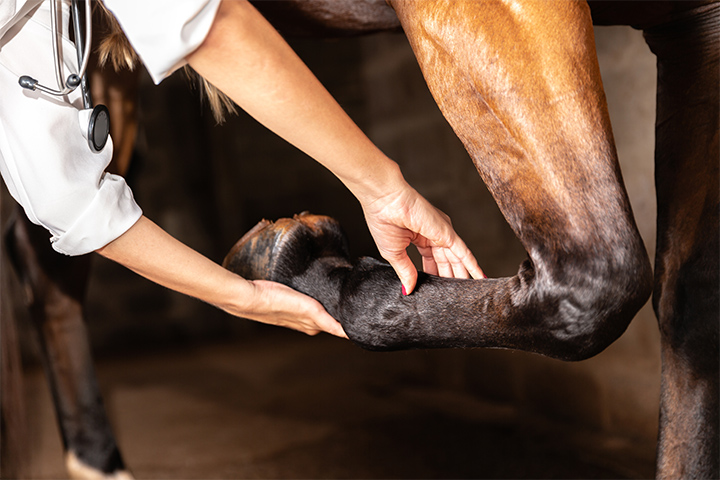
Lameness is essentially an abnormality in a horse’s gait or stance, usually caused by pain. It is one of the most common reasons owners call the vet.
It occurs for countless reasons. A horse might have tweaked a tendon in the paddock, developed arthritis in a joint, or suffered a hoof abscess. Sometimes, the lameness is clearly located in a specific area, like the forelimb. Other times, the horse is noticeably lame, but the source of the pain is completely hidden. If you’re unsure what to look out for, understanding the common causes and signs of lameness can help you spot potential problems early.
Why are the costs so high? Diagnosing lameness is a complex, time-consuming process. Vets must often perform nerve blocks (diagnostic analgesia) to numb specific areas of the leg one by one until the horse trots soundly. Once they locate the pain, they need portable X-ray machines or ultrasound equipment to see exactly what is wrong. If the issue is complex, they might need to refer your horse to a specialist equine hospital for an MRI or bone scan, which drives the costs up significantly.
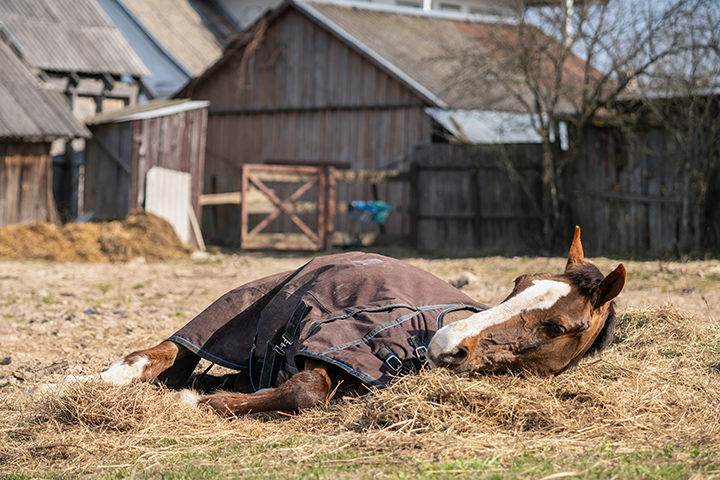
Colic is a general term for abdominal pain, but it strikes fear into the heart of every horse owner. A horse with colic might repeatedly paw at the ground, look at their flanks, sweat profusely, or roll on the ground in agony.
Because horses have an incredibly long and complex digestive tract, things can easily go wrong. Gas can build up, the intestines can twist, or a blockage (impaction) can form.
Treating colic is expensive because it is almost always a time-critical emergency. A vet needs to attend immediately, often outside of normal business hours, incurring emergency call-out fees. While mild cases can be treated medically with pain relief, fluids, and muscle relaxants, an intestinal blockage or a twisted gut requires major, life-saving abdominal surgery. The surgery itself, combined with the required week-long stay in an intensive care unit, easily pushes the bill into the thousands.
Equine gastric ulcer syndrome (EGUS) involves painful sores forming on the lining of the horse’s stomach. You might notice your horse losing weight, performing poorly under saddle, acting girthy, or displaying a dull coat.
Ulcers occur due to the way a horse’s digestive system works. They constantly produce stomach acid, which is normally buffered by the constant chewing and swallowing of roughage. If a horse is stressed, travels frequently, or has a diet high in concentrates and low in forage, that acid splashes up and damages the unprotected upper portion of the stomach.
The main expense with gastric ulcers is the diagnostic procedure and the medication. To officially diagnose ulcers, a vet must perform a gastroscopy, which involves passing a long camera down the horse’s throat and into the stomach. Treatment involves a prolonged course of highly specific, expensive acid-suppressing medications, alongside significant dietary management.
The most devastating claim an owner can make is for the loss of their horse due to a severe illness.
This tragic outcome occurs when a horse contracts a severe, incurable disease or suffers an illness that requires interventions beyond what is medically viable or humane.
The costs associated with mortality claims reflect the immense effort vets put into trying to save the animal. Before a horse passes away or is humanely euthanised, they have often received days of intensive veterinary care, multiple specialist consultations, heavy pain management, and extensive diagnostic testing. The maximum claim cost reflects these exhaustive, heart-breaking efforts.
Looking at the table above, you might wonder why colic can cost $1,700 for one horse and over $5,400 for another. Several key factors drive these massive cost variations.
The severity of the condition is the biggest factor. A mild colic episode resolved with a single injection of pain relief on a Tuesday afternoon is very different to a twisted gut requiring immediate surgery on a Sunday night. Emergency and after-hours care always carry premium fees.
Diagnostics also play a huge role. If your vet needs to refer your horse to a specialist equine centre for advanced imaging or surgical intervention, the final invoice will jump significantly compared to treatment managed entirely on your own property.
While any horse can develop these health problems, certain factors make some horses much more susceptible than others.
Your horse’s discipline and activity level play a major part. High-performance horses, such as those competing in eventing, dressage, or racing, put immense strain on their musculoskeletal systems. They are significantly more prone to complex lameness issues, tendon injuries, and joint wear.
Conversely, leisure horses or retired paddock mates might have a lower risk of sports injuries but are still highly susceptible to metabolic issues, dental problems, and naturally occurring arthritis as they age.
Age itself is a vital factor. Young, growing horses can develop developmental orthopaedic diseases, while senior horses face an increased risk of conditions like Cushing’s disease and chronic colic. Understanding your horse’s specific risk profile helps you anticipate the type of care they might need.
It is easy to look at maximum claim amounts and assume they only happen to elite competition horses or in incredibly rare circumstances. However, we must reinforce that these are frequent, everyday claims.
These are not rare anomalies. They are the standard reality of owning a horse in Australia. Thousands of horse owners face these exact medical hurdles every single year. Acknowledging that these health issues are real-world, everyday possibilities is the first step in properly protecting your horse.
We all want to give our horses the very best care possible. But as the data clearly shows, veterinary costs can be significant and entirely unpredictable. When your horse is sick and in pain, the absolute last thing you want to do is stress about how you are going to pay the resulting bill.
This is where having a reliable safety net becomes invaluable. Equine insurance helps significantly reduce the financial strain when the unexpected strikes. By choosing the right cover, you can claim up to 100%* back on eligible vet bills, depending on your policy.
Having Petcover means your veterinary decisions can be guided entirely by what is best for your horse’s health and recovery, rather than what is left in your bank account. It removes the hesitation of calling the vet out for a late-night emergency and provides genuine peace of mind.
Common horse health issues carry very real, very heavy costs. From an undiagnosed lameness to a sudden, terrifying bout of colic, medical expenses can disrupt your finances without warning.
Understanding these conditions highlights the absolute importance of financial preparedness and proactive care. Do not wait for a sudden illness to realise the true cost of equine veterinary medicine. By acknowledging the risks and putting a solid insurance plan in place, you ensure that your horse will always get the exceptional care they deserve, allowing you to focus on the joy of riding and caring for your equine companion.
Get horse insurance quote*Terms, conditions, limits, exclusions and waiting periods apply. Always refer to the PDS & TMD available on our website for full details. Issued by Sovereign Insurance Australia (ABN 85 138 079 286 AFSL No.342516), administered by Petcover Aust Pty Ltd (ABN 97 117 476 990, AFSL No. 507143).