Is your horse moving differently? Common causes of equine lameness
A horse suddenly taking a shorter stride, looking uneven at the trot or seeming reluctant to move forward can be concerning for any owner. Sometimes the change is subtle. Other times, lameness can appear almost overnight.
Lameness describes an alteration in a horse’s normal movement, often linked to pain or a mechanical problem affecting the limbs or body. It is also one of the most frequent reasons horse owners seek veterinary advice, according to the Royal Veterinary College.
Because there are many possible causes, recognising that something has changed is usually only the first step. Finding out why your horse is moving differently often requires a proper veterinary examination.
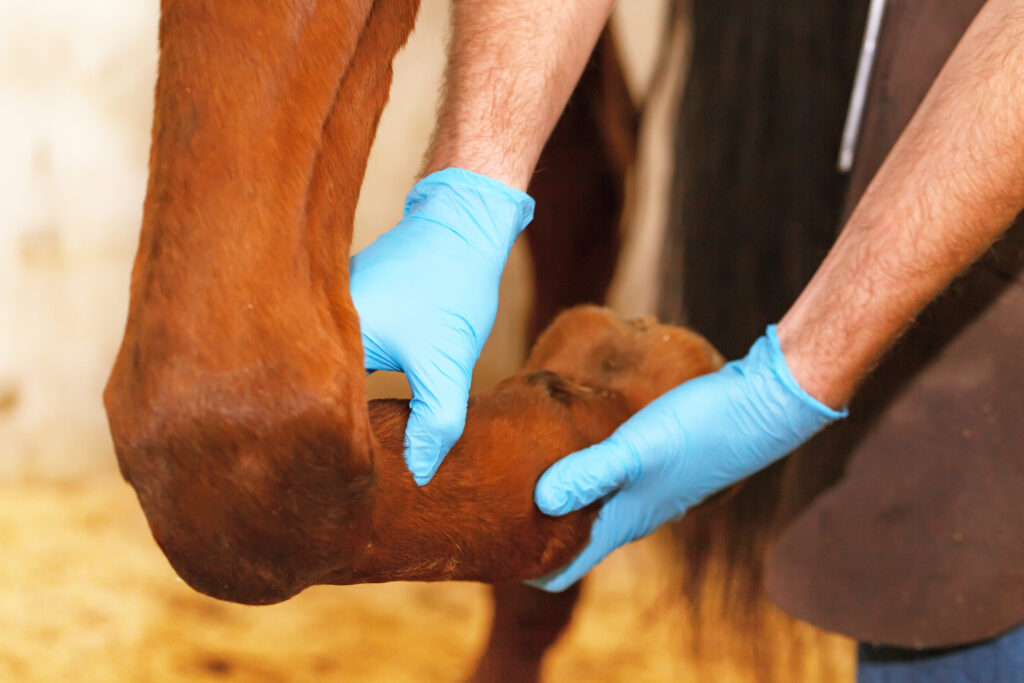
What does lameness look like in a horse?
Lameness does not always mean a horse is obviously limping. Depending on the location and severity of the problem, signs can include:
- An uneven or shortened stride
- Head nodding while trotting
- A noticeable hip hike or uneven hindquarter movement
- Reluctance to turn, canter or move forward
- Stiffness, particularly after rest
- Reduced performance
- Swelling or heat in a limb
- Sensitivity around the hoof
- Frequently resting or avoiding weight on one leg
The Royal Veterinary College notes that vets may assess horses walking and trotting on straight lines and circles, alongside palpation, flexion tests and, where required, diagnostic imaging or nerve blocks to help identify the source of the problem.
1. Hoof problems
The hoof is an important place to start when investigating lameness. The American Association of Equine Practitioners notes that the equine foot is a common site for lameness and can be affected by issues including hoof abscesses, bruising, cracks, imbalance and inflammatory conditions.
A hoof abscess, for example, can cause surprisingly severe and sudden lameness. Some horses may be reluctant to put the affected foot on the ground at all.
Poor hoof balance or changes in hoof shape may also contribute to longer-term discomfort, which is why regular farrier care and veterinary input can both play an important role in maintaining soundness. The AAEP recommends owners work closely with their veterinarian and farrier when addressing foot-related lameness. 2. Joint problems and arthritis
Joints undergo considerable loading throughout a horse’s life, particularly in horses involved in regular training, jumping, racing or other athletic activities.
Osteoarthritis occurs when changes within a joint lead to pain, inflammation and reduced mobility. Signs may begin as stiffness or reduced performance rather than obvious lameness.
The AAEP identifies osteoarthritis affecting areas such as the coffin and pastern joints among the possible causes of foot-associated lameness.
Older horses may be more likely to show joint stiffness, but joint injuries and inflammation can occur at any age.
3. Tendon and ligament injuries
Tendons and ligaments help support and stabilise the horse’s limbs as they move. Strains and injuries to these structures can range from relatively mild to serious and may require lengthy rehabilitation.
Signs can include heat, swelling, pain or changes in movement, although not every tendon or ligament injury produces obvious external swelling.
Research from the Royal Veterinary College has also found that ageing can affect blood supply within equine tendons, which may contribute to increased tendon injury risk and slower healing in older horses.
4. Laminitis
Laminitis is a painful condition affecting the sensitive structures inside the hoof and requires prompt veterinary attention.
The Royal Veterinary College describes laminitis as a serious condition that can cause ongoing or permanent lameness. It may be associated with underlying endocrine disease, systemic illness or altered weight bearing.
Signs can include:
- Reluctance to walk
- Shifting weight between feet
- Heat in the hooves
- A stronger digital pulse
- A characteristic leaning-back stance in some cases
- Short or careful steps
If laminitis is suspected, contacting your veterinarian promptly is important rather than waiting to see whether your horse improves.
5. Muscle, back or pelvic discomfort
Not every uneven gait begins in the lower limb.
Pain affecting the horse’s back, pelvis or surrounding muscles can change the way they carry themselves and place weight through their limbs. Some horses may appear stiff, struggle with transitions or show changes in behaviour while being ridden.
Compensatory movement can also make lameness more complicated to identify. A horse experiencing pain in one limb may alter the way it moves elsewhere in the body, potentially making the apparent problem different from the underlying source.
6. Trauma and everyday injuries
Horses have an impressive ability to find ways to injure themselves.
A knock in the paddock, slip on wet ground, awkward landing, kick from another horse or unexpected strain during exercise may all cause changes in movement.
Check your horse’s legs regularly for swelling, heat, wounds or tenderness, particularly if their movement or behaviour has suddenly changed.
When should you call your vet?
Any new or unexplained lameness is worth taking seriously. Contact your veterinarian if your horse is noticeably lame, reluctant to bear weight, has significant swelling or heat, appears distressed, or their movement does not seem normal.
A veterinary lameness investigation may involve watching the horse move, examining the limbs and hooves and using diagnostic techniques such as nerve blocks, X-rays, ultrasound, MRI or other imaging when appropriate.
Early investigation can help identify what is causing the change and allow you and your veterinarian to decide on an appropriate treatment and rehabilitation plan.
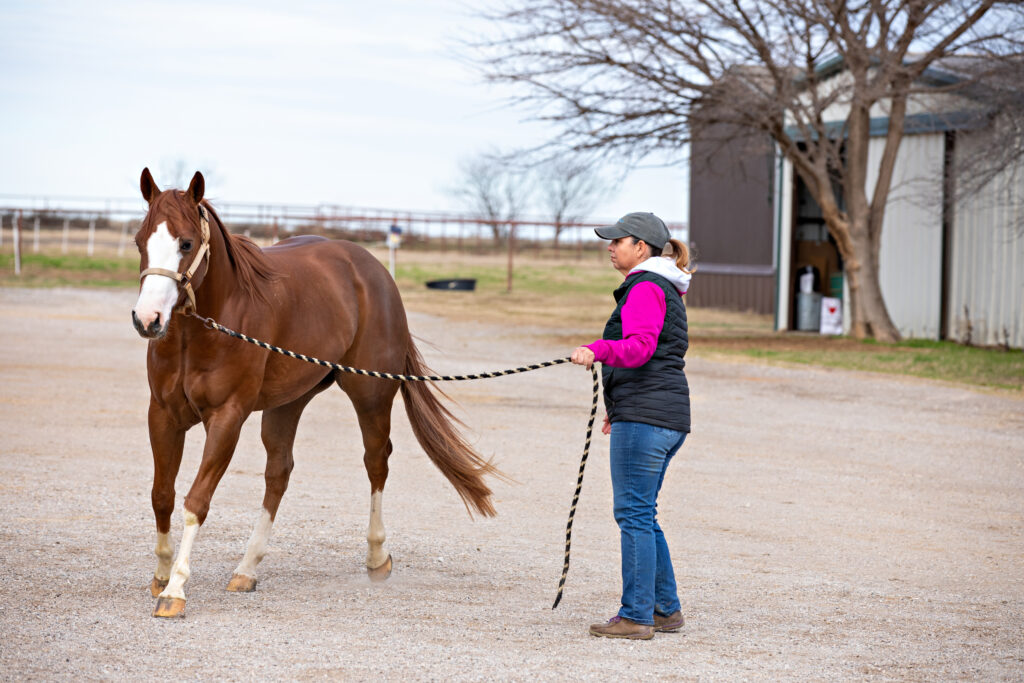
Knowing your horse’s normal helps
Every horse moves a little differently, which means owners are often well placed to notice when something doesn’t look quite right.
Pay attention to their usual stride, behaviour, willingness to work and how they move before and after exercise. Small changes can sometimes be the earliest clue that something needs attention.
And while you cannot prevent every unexpected injury or illness, having a plan in place for veterinary costs can make those moments a little easier to manage.
Learn more about Petcover Equine Insurance and how you can help protect your horse from the unexpected.
Get a horse insurance quote today
