
Horse Insurance: A guide to equestrian sports and activities
Your horse's activities, from trail riding to competing, directly impact their insurance needs. Find out what...
Read more3 March 2026
Summer in Australia can be hard on horses, especially their hooves. The combination of hot weather, dry paddocks, hard ground, and episodes of rain followed by heat places unique stress on hooves. Some cracks are minor and harmless, but others can affect how a horse moves or even lead to infection if they aren’t addressed quickly. Knowing why cracks form and how to address them helps keep horses sound and comfortable through the season.
Jump to:
A hoof crack is a break in the hoof wall. Cracks vary in depth, location, and severity, and may appear at different points around the hoof. In many cases, small surface cracks cause no immediate pain, but deeper cracks can reach sensitive tissue and contribute to lameness.
The hoof wall is made of keratin, like human nails, and must put up with a lot of pressure every time a horse takes a step. A crack means part of the hoof wall has lost strength. When dirt or bacteria get into a hoof crack and the problem isn’t addressed, an infection can start. This often turns into an abscess, which causes a painful buildup of pressure inside the hoof. As the infection moves deeper into the tissues, the horse can become lame and the condition becomes harder to resolve.1
High temperatures increase moisture loss from hooves, making them harder and more brittle. When hooves dry out, they lose flexibility and can develop small splits that grow over time.
In much of Australia, summer can bring brief rains followed by intense heat. Repeated swelling when hooves get wet and shrinking as they dry can weaken the hoof wall and leading to cracking.
Dry paddocks and compact surfaces, such as hard-packed soil, overgrazed paddock corners, and firm arena bases, put extra strain on hooves with every step.2 Over time, this repeated impact can contribute to fractures in the hoof wall, particularly where the hoof is already stressed.
Hooves often grow faster in summer. If trimming or shoeing is not carried out regularly, the hoof wall can become unbalanced or overstretched, which increases the risk of cracks. That’s why regular care is important.
Nutrition plays a role in hoof strength. Deficiencies in nutrients like biotin, zinc, copper, or amino acids can lead to poorer hoof quality. Good hydration supports the hoof from the inside by helping cells function normally.
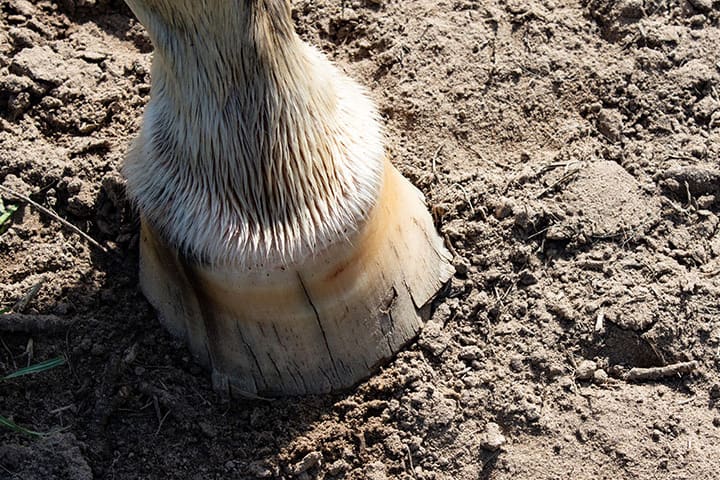
Hoof cracks come in various forms depending on where they appear:
Understanding where a crack starts and how deep it runs gives you a clearer picture of its severity and helps you decide what level of care is needed.
Regular trimming or shoeing means hooves remain balanced and prevents overgrowth that leads to uneven pressure on the hoof wall. In summer, farrier visits may need to be closer together because growth rates increase.4
Both excessive wetness and excessive dryness can contribute to cracking. Horses kept in constantly wet conditions can develop soft hooves that weaken, while overly dry hooves lose flexibility. Rotating between dry, well-drained turnout and shaded areas can help maintain a healthier hoof environment.
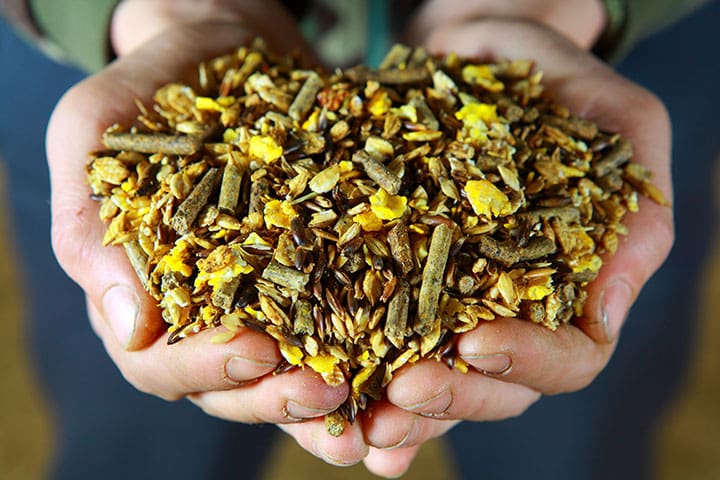
Horses rely on good nutrition to support the strength and overall condition of their hooves. A diet that supplies the right balance of protein, vitamins, and minerals contributes to healthier hoof growth. Discussions in equine nutrition also point out that nutrients such as biotin and zinc play roles in maintaining the structure and durability of the hoof. These nutrients help support the processes involved in forming the hoof wall, which may explain why they are frequently mentioned when hoof quality is evaluated.5
Inspecting and picking out hooves daily keeps debris from lodging in cracks and allows you to spot any issues early, before they have a chance to get worse.
Smaller hoof cracks often settle down without needing intensive treatment. In many cases, routine trimming to keep the hoof balanced, maintaining appropriate moisture, and ensuring the horse receives proper nutrition are enough to support improvement. Many of these will gradually improve as the hoof grows.
When cracks reach deeper layers of the hoof wall, farriers may use specialised trimming or support techniques like corrective shoeing. Infected or painful cracks are a different story and should be checked by a veterinarian. Giving the horse a lighter workload while the hoof heals can help protect it from further stress and prevent the damage from getting worse.
Hooves grow slowly. It can take most of a year for a crack to grow out completely. Keeping up with care throughout this period is important to avoid setbacks.
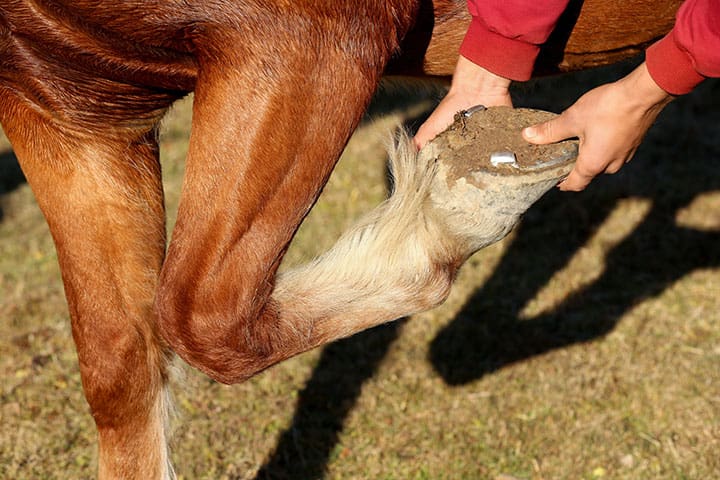
Contact your farrier or veterinarian if you notice any of the following:
Keep an eye on your horse’s hooves to prevent minor cracks from developing into more serious problems.
>Looking after hooves is just one part of protecting your horse. If you’d like a little extra peace of mind for the unexpected, feel free to get in touch with us about horse insurance. We’re always happy to chat.
Find out more about horse insurance