
Guide to puppy and kitten vaccinations in Australia
Keep your puppy or kitten protected with early vaccinations, vet tips, costs and core vaccine info.
Read more5 February 2026
Bringing home a new puppy is exciting and part of setting them up for success is getting a good feeding routine in place. This puppy feeding guide explains what to feed them, how much, and why early nutrition matters.
Jump to:
What a puppy eats in their early months plays a big role in how their body, brain, and immune system develop. Puppies grow much faster than adult dogs, so they need a diet that gives them carefully balanced nutrients and energy. We want them to be happy, healthy, and curious!
Good nutrition in early life helps set the foundation for long-term health and wellbeing. It can help with:
The most important rule when it comes to deciding what to feed a puppy is to choose a complete and balanced diet that meets AAFCO or AS5812 standards.
These standards confirm the food:
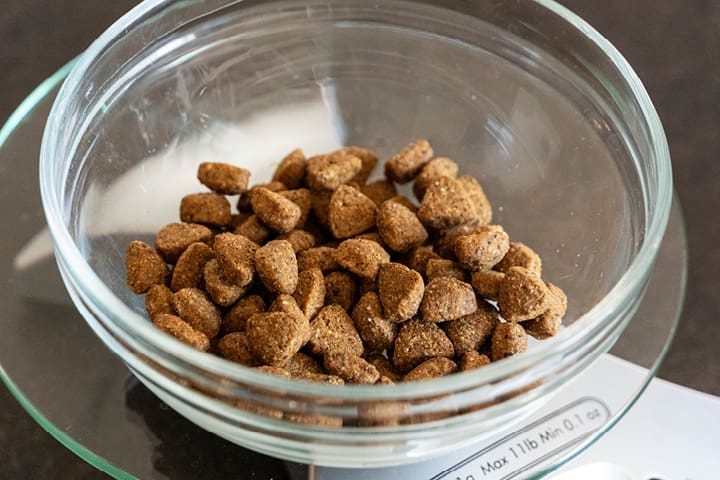
Both dry and wet foods can be suitable for puppies, and many pup parents choose a mix of the two.
Dry food (kibble)
Wet food
Mixed feeding can give your puppy variety but it’s important to portion correctly to prevent overfeeding. Be sure to also give your puppy access to fresh water throughout the day so they can stay hydrated.
Some foods aren’t suitable to give to your puppy, such as:
If you’re unsure about a particular brand or diet type, your vet can help you choose an option that suits your puppy’s breed, size, and lifestyle.
Portion size is just as important as food choice for your puppy. While they need enough energy to grow, giving your pup too much food can lead to rapid weight gain. This can then put stress on developing bones and joints – a big no-no.
For most puppies:
Here are some general feeding tips:
Large and giant breed puppies need extra care as overfeeding can increase the risk of joint and bone problems later in life.
A controlled growth diet helps support steady development rather than rapid weight gain.
Training treats can be a great reward during training sessions but they still count as food. If you’re regularly using treats, you’ll want to slightly reduce meal sizes to help balance overall daily calories.
And remember there’s other rewards you can use for positive reinforcement – praise, toys, and cuddles! Learn more in our guide on how to train your puppy.
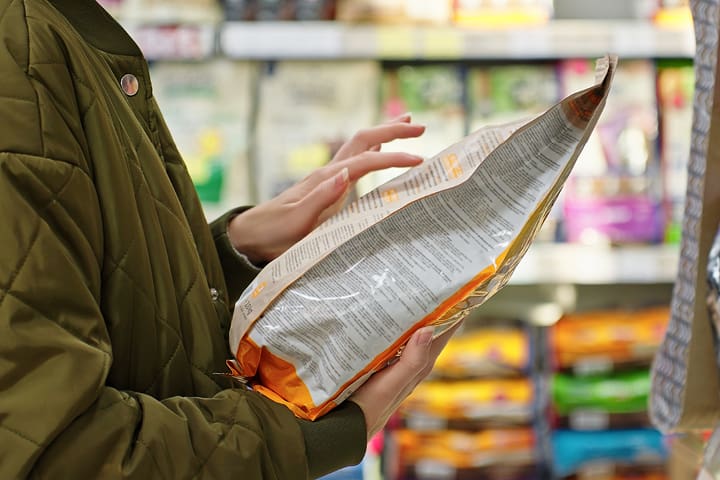
As we mentioned earlier, puppy food is carefully designed to include nutrients that support growth.
Understanding the basics can help you feel confident about what’s in your puppy’s bowl. Always speak to your vet before adding any supplements to your puppy’s diet.
Protein
Supports muscle development, tissue repair and immune health. Puppies need higher protein levels than adult dogs to fuel growth.
Fats
Give your puppy energy and help their body to absorb vitamins. Healthy fats also support skin and coat condition.
Calcium and phosphorus
Work together to support bone and tooth development. Getting the balance is important, especially for larger breeds.
Omega-3 and omega-6 fatty acids
Support brain development, vision, skin health, and coat quality.
Vitamins and minerals
Help with everything from immune function to metabolism and organ health.
It’s easy to make mistakes with your puppy’s care, especially if you’re a first-time puppy parent. Here are some common pitfalls to watch out for:
If you need to change foods, do so gradually over several days by mixing increasing amounts of the new food with the old.
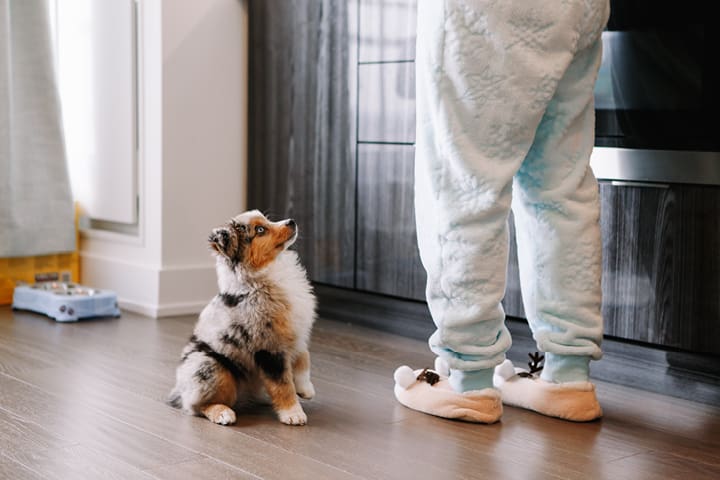
Regular vet visits are an important part of your puppy’s nutrition journey. During check-ups, your vet can look at their body condition, growth rate and overall health.
Vet guidance is especially helpful when:
Nutrition needs change as your puppy grows, so ongoing advice helps make sure their diet follows their development.
When choosing puppy insurance, it can help to look past the upfront cost and think about the level of support it could offer if your puppy ever needs veterinary care.
Petcover Australia offers a range of cover options to suit different puppies, lifestyles and budgets.
Whether you’re looking for broader cover or a simpler option focused on accidents, we can help you find the right policy.
Get a puppy insurance quoteMost dogs stay on puppy food until around 12 months but larger breeds may need to stick to a puppy diet for longer. Your vet can advise on the right timing for your pup’s breed.
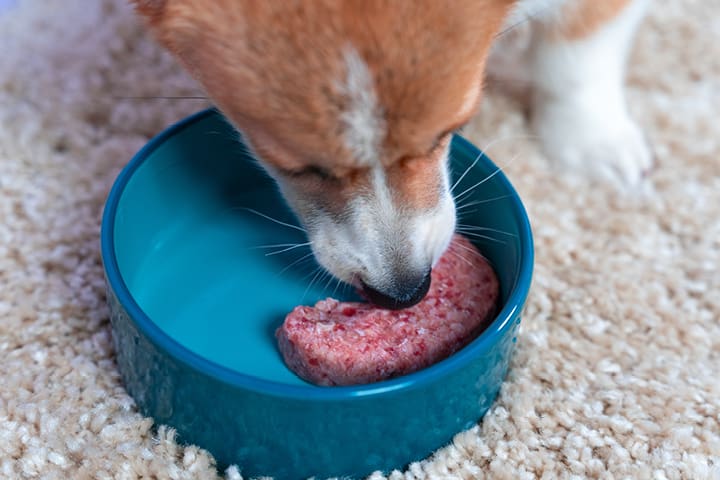
Raw diets can carry risks if not properly balanced, so it’s essential to speak with your vet before going down the raw route.
Grain-free diets aren’t necessary for most puppies. A vet may recommend them for specific health reasons, such as a gluten intolerance.
Find out more about puppy insurance
References: Petbarn, Greencross Vets, RSPCA