
All about Border Collies: Cognitive strengths, exercise requirements and health tips
12 March 2026
The Border Collie is known for being one of the smartest and most capable dog breeds, with a natural talent for problem‑solving, learning new skills, and staying focused on a job. In Australia, they’ve long been trusted on farms for their instinctive herding abilities and impressive livestock‑management skills. But as more families bring Border Collies into suburban homes, new factors come into play – especially around their need for activity and mental challenges.
Although Border Collies are affectionate, loyal companions, they require more time and attention than many other breeds. Anyone considering this breed should understand their personality, working heritage, exercise needs, grooming routines, and potential health concerns before making the commitment.
Jump to:
- Temperament and working instincts
- Exercise and mental stimulation requirements
- Health challenges common among Border Collies
- Coat care and hygiene
- Managing expenses and insurance needs
Temperament and working instincts
Border Collies have a reputation for being exceptionally smart, and it shows the moment you start working with one. They are highly intelligent and readily responsive to training, a reflection of their long history as dedicated working sheepdogs. They’re well known for their keen, watchful expression – an indication of how naturally aware they are of their surroundings.
Because they are so receptive to guidance, Border Collies tend to excel with reward‑based, positive reinforcement training. This approach strengthens learning and minimises the stress or defensive behaviours that can arise with harsher methods while also helping build a stronger human‑dog relationship by avoiding the anxiety linked to punishment.
Their working background continues to shape their temperament today, giving them a natural drive to stay active and focused, and activities that tap into these instincts highlight how well they respond when they have a meaningful outlet for their energy. In everyday life, those herding instincts can still surface, and dogs such as Border Collies may show chase or herding behaviours in urban settings if their natural drives aren’t guided appropriately. This behaviour is rooted in instinct rather than aggression, and welfare guidance recommends using structured, reward‑based training plans to guide it in a more suitable direction.
Because they are deep thinkers as well as athletes, Border Collies need regular mental engagement. Enrichment and mental stimulation are essential to canine wellbeing and can prevent or reduce undesirable behaviours such as stress or excessive barking, while cognitive, sensory, social and physical enrichment support calmer behaviour and strengthen the bond with owners. The breed’s sensitivity also means the training environment matters, and reward‑based training guidance highlights that punishment can increase anxiety and lead to defensive responses, whereas positive reinforcement supports stable learning and better welfare outcomes.
Exercise and mental stimulation requirements
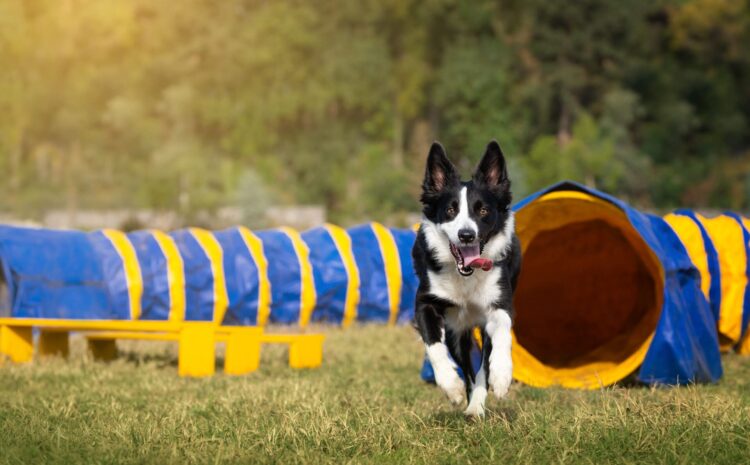
Border Collies need a level of physical and mental activity that few other companion breeds require. For most dogs, 90 to 120 minutes of exercise each day is the minimum needed to support their health and emotional wellbeing. This exercise should be purposeful, structured and varied to keep them engaged both mentally and physically. Suitable activities include agility, advanced obedience, herding trials, flyball, long-distance running, trick training and interactive games that encourage problem-solving. Their stamina and enthusiasm for work allow them to excel in many canine sports, where they often stand out for their speed, precision and willingness to learn.
Mental enrichment is just as important as physical exercise. Puzzle toys, scent games, “find it” activities, shaping exercises and structured training sessions help prevent boredom and give them a productive outlet for their intelligence. Many Border Collies also enjoy learning complex commands, retrieving specific items or taking part in rally obedience.
Without enough stimulation, behavioural issues can develop quickly. Boredom is one of the most common causes of unwanted behaviour in this breed, as an underchallenged dog will often create its own entertainment. Because of this, Border Collies are not usually suited to sedentary households, first-time dog owners or families who do not have the time, experience or lifestyle to keep up with their needs. A well-exercised Border Collie is typically relaxed, focused and content. Without enough stimulation, they can become anxious or destructive.
Health challenges common among Border Collies
Border Collies are generally healthy and athletic dogs, but like all breeds, they can be predisposed to certain hereditary and lifestyle‑related conditions.
Hip dysplasia
One of the most notable concerns, this condition occurs when the hip joint does not develop properly, which can lead to pain, reduced mobility, and in some cases, the need for surgical treatment. Responsible breeders screen for hip dysplasia, but environmental factors such as excessive jumping in puppies or rapid weight gain can also contribute to its development.
Eye conditions
Collie eye anomaly (CEA) and progressive retinal atrophy (PRA) can affect vision and, in severe cases, may lead to blindness. Genetic testing is widely available and often used by ethical breeders to help reduce the risk of passing these conditions to future litters.
Epilepsy
This can also occur in the breed and may appear as seizures that require lifelong management. Many dogs with epilepsy live full and active lives with proper care, but it remains an important consideration for potential owners.
Osteochondritis dissecans (OCD)
A developmental joint disorder, this can develop due to rapid growth or excessive exercise during puppyhood. Early veterinary intervention is key to managing the condition effectively. Border Collies’ active lifestyles may also put them at higher risk for ligament injuries, particularly cruciate ligament tears, since they often participate in high‑intensity activities that involve quick turns and sudden stops.
Coat care and hygiene
Border Collies may have either smooth or rough coats. Regardless of coat type, regular brushing is recommended to remove loose hair, reduce shedding, and support skin health. Brushing two to three times per week is suitable for most dogs, and during seasonal shedding, daily brushing helps manage heavier hair loss.
Bathing should be done only when needed, especially after getting dirty, because excessive bathing can strip the coat of its natural oils. Regular nail trimming, routine ear checks, and attention to dental hygiene are also part of a basic grooming routine.
Rough‑coated Border Collies often require more frequent brushing, particularly around the chest, tail, and hindquarters where tangles or debris may collect. Both smooth and rough coats shed throughout the year, with heavier shedding occurring seasonally. While their grooming requirements are not as demanding as those of some long‑haired breeds, consistent care helps prevent matting and keeps the coat in good condition.
Managing expenses and insurance needs
Because Border Collies are highly active dogs, their lifestyle places them at a higher risk of certain injuries. These may include ligament damage, joint strain or muscle injuries that sometimes require veterinary attention. Orthopaedic procedures such as cruciate ligament repair can be costly, and conditions like hip dysplasia often involve ongoing treatment, physiotherapy or long-term pain management.
Routine care such as vaccinations, parasite prevention, high-quality nutrition and basic grooming supplies also contributes to overall expenses. Owners should factor in structured training as well, especially in households where consistent behavioural guidance is helpful.
Many Australian families choose to look into pet insurance to help manage eligible veterinary costs. Insurance can reduce financial pressure related to accidents, illnesses or chronic health conditions.
Compare plans to protect your Border Collie todayDeciding if a Border Collie is the right fit
Border Collies are exceptional dogs known for their intelligence, loyalty and athletic ability. They form strong connections with their families and thrive in homes that offer structure, purpose and plenty of daily interaction.
Welcoming a Border Collie into your home means embracing a dog that loves to stay active, learn new things and be part of everyday life. Families considering this breed should think about whether they can enjoy that journey too. Meeting their exercise needs, continuing their training and providing regular enrichment are all part of helping them feel happy and secure. When those needs are met, a Border Collie gives back tenfold with warmth, devotion and an enthusiasm that brightens even the busiest days.