
Protect Yourself with Business Liability Insurance
How you can protect your business with Petcover Business Liability Insurance
Read more27 August 2026
Working with dogs can be incredibly rewarding, but it also comes with responsibility. Whether you run a boarding kennel, dog day care, grooming salon, training business, pet-sitting service or dog-walking business, the animals in your care can sometimes become stressed, frightened or overwhelmed.
When a dog feels uncomfortable, its behaviour can change quickly. A normally friendly dog may become withdrawn, try to escape, guard food or toys, growl or snap when handled. Even without aggression, an excited or anxious dog can create risks by jumping up, pulling on a lead or colliding with people or other animals.
Creating a calm environment isn’t just about making dogs more comfortable. Good welfare practices, consistent routines and well-trained staff can help reduce incidents and create a safer environment for animals, employees and customers.
Here are some practical ways Australian pet businesses can help dogs feel safe and settled.
Jump to
Dogs rarely behave differently for no reason. Fear, pain, frustration, excitement and unfamiliar surroundings can all influence behaviour.
For dogs entering a pet business, there can be a lot to process at once:
Rather than simply labelling a dog as “difficult”, consider what their behaviour might be communicating.
Freezing, hiding, pacing, excessive panting when it isn’t hot, avoiding contact, hard staring or guarding resources may indicate that a dog is uncomfortable.
Recognising these signs early gives staff an opportunity to reduce pressure before the situation escalates.
Dogs generally cope better when their surroundings and routines are predictable.
Where possible, businesses should provide dogs with somewhere quiet and comfortable to rest away from excessive noise and activity.
Practical measures may include:
For dog walkers and mobile pet-care businesses, the environment extends beyond a physical facility. Vehicles, walking routes, parks and pick-up locations should also form part of your risk planning.
Australian conditions create an additional consideration for businesses caring for dogs: heat.
Dogs can be vulnerable to heat stress, particularly during hot or humid weather. Businesses should make sure dogs always have access to fresh water and cool, well-ventilated areas.
Outdoor activities may also need to be adjusted according to the conditions. Walks and exercise can be moved to cooler parts of the day, while indoor enrichment can provide an alternative when outdoor exercise isn’t appropriate.
Extra care may be required for dogs that are older, overweight, have thick coats or are brachycephalic (flat-faced) breeds such as Pugs, French Bulldogs and Bulldogs.
Hot surfaces are another consideration. Concrete, asphalt and other surfaces exposed to the Australian sun can become extremely hot and may injure a dog’s paws.
Most importantly, dogs should never be left unattended in a hot vehicle.
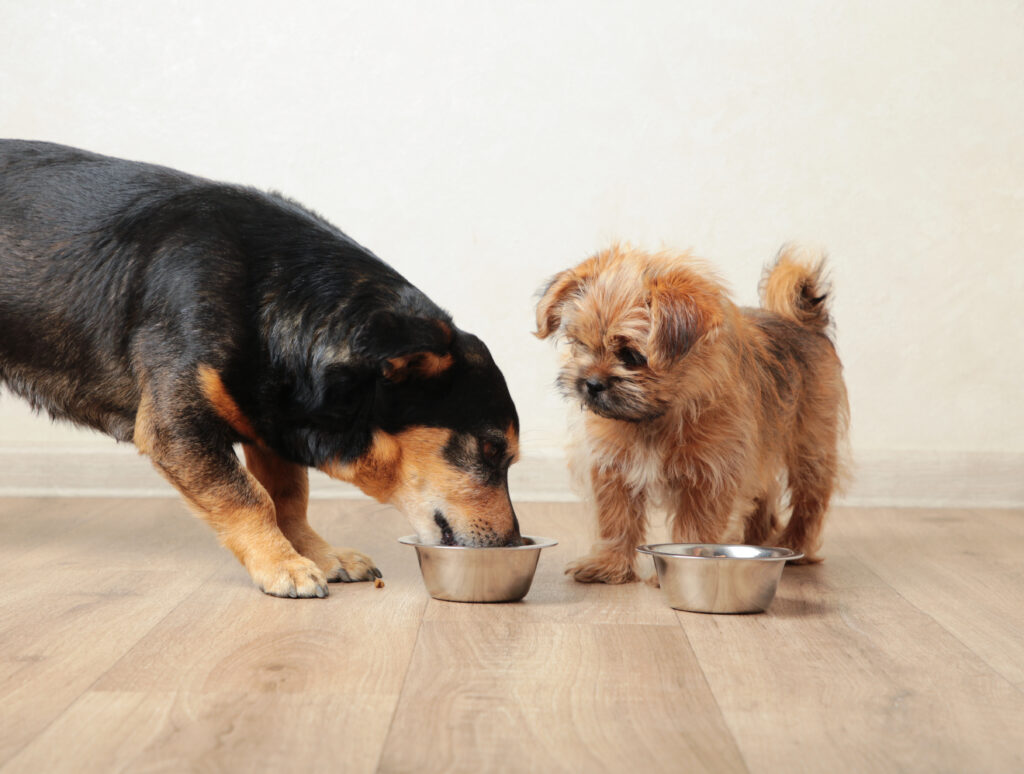
Food can become a source of competition or conflict between dogs.
Before a dog enters your care, ask its owner about feeding habits, allergies, dietary requirements and any history of resource guarding.
Depending on your business, consider:
Small changes to feeding procedures can help prevent unnecessary conflict.
A good intake process is one of your best opportunities to identify potential problems before they occur. Don’t focus only on the dog’s name, breed and feeding instructions. Build a more complete picture of the animal you’re caring for.
Your intake process could record:
Ask specific questions rather than relying on “Is your dog friendly?”
A dog might be comfortable with people but nervous around unfamiliar dogs, dislike having its paws handled or become protective around food.
The more information your team has, the better prepared they can be.
Not every dog enjoys group environments.
Some dogs love playing with other dogs, while others prefer their own space. A dog’s suitability for group activities should be based on more than size or breed.
Consider factors such as:
A quieter individual activity may sometimes be better for a dog than group play.
The goal should be to provide an appropriate experience for each animal rather than expecting every dog to participate in the same activities.
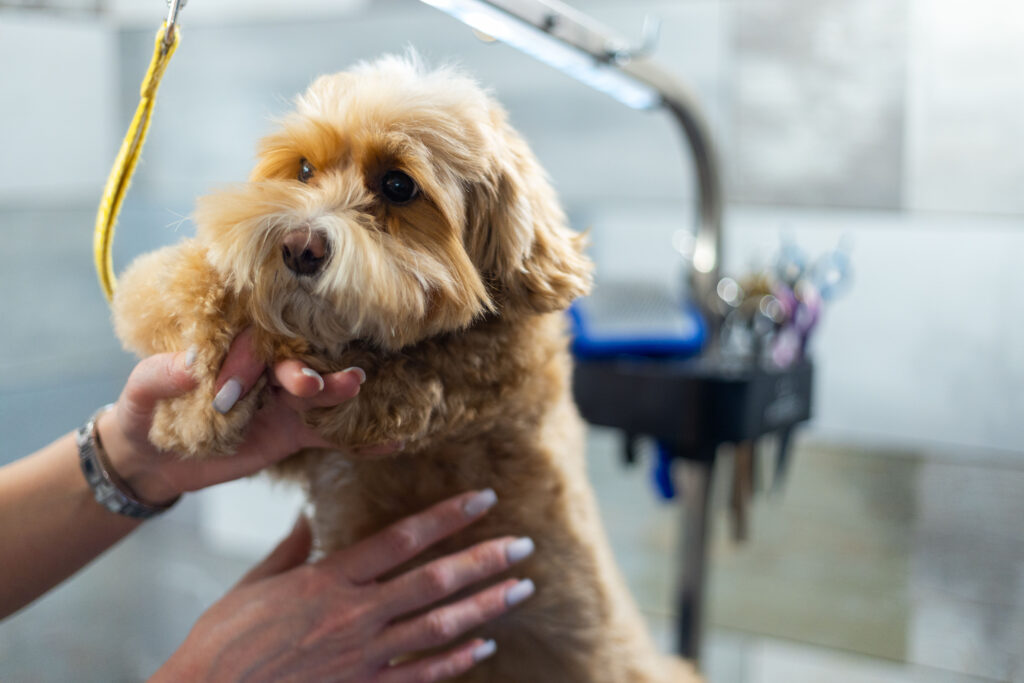
Routine tasks such as attaching leads, grooming, drying, checking paws or moving dogs between areas can become stressful if they’re rushed.
Encourage staff to:
Taking an extra few seconds to allow a dog to settle can sometimes prevent an incident.
This can be particularly important for groomers, veterinary practices and other businesses where close physical handling is unavoidable.
A sudden change in behaviour can sometimes have a physical cause.
Pain or illness may make a dog less tolerant of handling or interaction. For example, a dog experiencing joint pain, dental discomfort, an ear problem or an injury may react differently when touched.
Businesses caring for dogs should have procedures for recognising changes such as:
Staff should also know when the owner needs to be contacted and what to do if veterinary attention is required.
A safe environment depends heavily on the people working within it.
Staff who regularly work with dogs should understand basic canine body language and recognise early signs of fear, anxiety, stress and escalating arousal.
Training should be appropriate for the employee’s responsibilities and may cover:
Regular refresher training can also help keep procedures front of mind.
Good record keeping can help businesses identify patterns and improve their procedures over time.
It can also provide important information if an incident, complaint or insurance claim occurs.
Depending on your business, useful records may include:
Near misses are particularly valuable. If a gate was almost left open or two incompatible dogs were nearly placed together, recording what happened allows the business to address the problem before it results in an actual incident.
Even good procedures can be undermined by faulty equipment or an unsafe environment.
Regularly inspect areas such as:
Think about the environment from a dog’s perspective too. Excessive noise, slippery flooring, constant visual contact with unfamiliar dogs or nowhere quiet to retreat can all contribute to stress.
Even with good procedures in place, accidents can happen.
A dog may escape, another animal could be injured, a customer might be knocked over, equipment could be damaged or an employee could be injured while handling an animal.
For pet businesses, managing these risks involves a combination of good animal welfare practices, staff training, documented procedures and appropriate business protection.
Regularly reviewing how animals move through your business, how incidents are handled and where your biggest risks are can help you identify gaps before they become bigger problems.
There isn’t one technique that guarantees every dog will remain calm.
Instead, safer pet businesses build multiple layers of protection: understanding the dogs entering their care, creating appropriate environments, recognising stress early, training staff, maintaining equipment and keeping clear records.
When those fundamentals become part of everyday operations, they can help create an environment where dogs feel more comfortable, staff feel more confident and customers can have greater trust in the people caring for their pets.
If you also provide pet services as a business, it can be worth reviewing your insurance arrangements from time to time too. Learn more about protecting your pet business here.
This article provides general information only and is not a substitute for veterinary, behavioural, legal or professional advice. Businesses should ensure they understand the animal welfare, workplace safety and local council requirements that apply in their state or territory.