
animal-rescue-volunteer-petting-a-happy-dog
Can you get pet insurance for a rescue dog?
Is pet insurance for rescue dogs expensive? Discover what affects the price and why it matters.
Read more20 August 2026
Jump to any chapter:
Food is one of the most important decisions you’ll make for your new puppy, and also one of the most confusing, given how many options are out there.
Dry food, wet food, raw, grain-free, breed-specific, life-stage formulas… it’s a lot. But once you understand the basics, it becomes much more manageable. This guide will walk you through what puppies need nutritionally, how to choose the right food, how much to feed and when, and what to keep well out of their reach.
On this page:
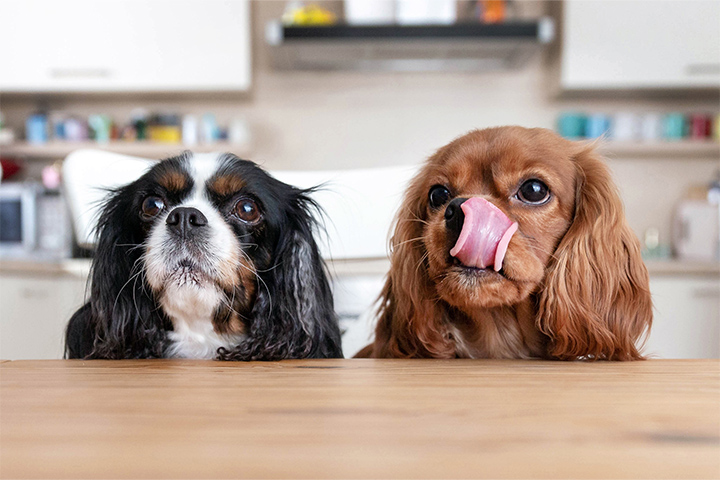
This isn’t just a marketing gimmick. Puppies really do have different nutritional needs to adult dogs.
Growing puppies need more protein to build muscle, more calcium and phosphorus for developing bones and teeth, and more calories per kilogram of body weight than adult dogs. They also need these nutrients in the right ratios. Too much calcium, for example, can actually cause skeletal problems in large-breed puppies.
Always choose food that is labelled for puppies or ‘all life stages’ rather than adult dog food, at least until your puppy reaches adulthood (which varies by breed, more on that below).
The most common choice for Australian puppy owners. Dry food is convenient, has a long shelf life, is generally more affordable, and the crunching action can help keep teeth clean. Look for a quality dry food with a named protein source (like chicken or salmon) listed as the first ingredient.
Higher in moisture, which is great for hydration, and often more palatable for fussy puppies. Wet food tends to be more expensive and needs to be refrigerated once opened. Many owners combine a small amount of wet food with kibble to add interest and moisture.
Raw feeding has grown in popularity in Australia, but it requires careful planning to ensure nutritional balance. If you’re considering a raw diet, speak to your vet first. Poorly balanced raw diets can lead to nutritional deficiencies or surpluses that affect your puppy’s development. Commercially prepared raw food options are generally safer than home-prepared raw diets.
Like raw feeding, home-cooked food can be done well but it takes significant research and usually veterinary input to get the balance right. Plain home-cooked meals like boiled chicken and rice are fine occasionally (especially for an upset tummy), but shouldn’t be your puppy’s only food source without veterinary guidance.
You don’t need to spend a fortune, but it’s worth looking beyond the cheapest option. Here’s what to look for on the label:
Your vet is the best person to recommend a specific food for your puppy’s breed, size, and any individual health considerations.
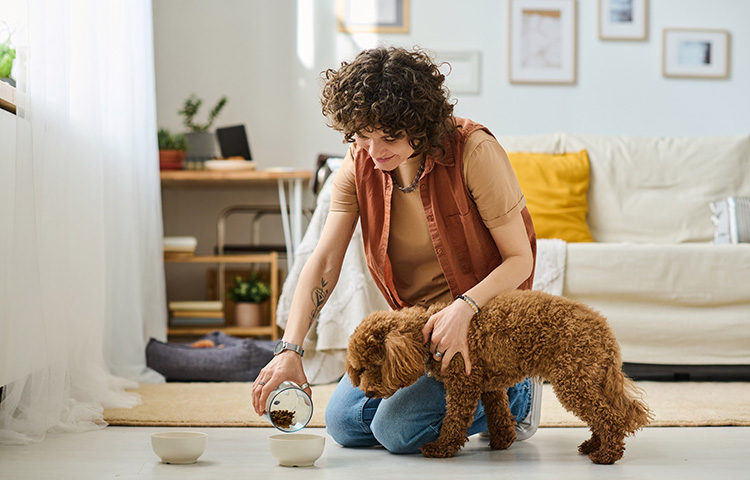
Puppy food packaging usually includes a feeding guide based on age and weight. This is a good starting point, but individual puppies vary. Some are more active, some are bigger, some are greedier.
As a general guide, aim for your puppy to look lean but not thin. You should be able to feel their ribs without pressing hard, but not see them prominently. Adjust portions accordingly.
Keeping your puppy at a healthy weight is also important for their long-term joint health. Find out which foods can support healthy joints in dogs.
If you want to switch your puppy’s food, whether from the breeder’s choice to something new, or as they grow from puppy to adult formula, do it gradually over 7–10 days.
Switching too quickly is one of the most common causes of an upset stomach in puppies. If your puppy shows signs of digestive upset (soft stools, vomiting), slow the transition down further.
The size of your dog matters when it comes to nutrition:
Large breed puppies (over 25kg as adults) need food specifically formulated for large breeds. These have controlled calcium and phosphorus levels to support healthy, steady bone growth. Growing too fast can actually cause joint and skeletal problems.
Small breed puppies have higher metabolisms and smaller stomachs, so they need energy-dense food in smaller, more frequent portions. Small breed puppy food is formulated with this in mind.
If you’re unsure which category your puppy falls into, ask your breeder or vet.
Puppies are considered adults at different ages depending on their breed:
Your vet will let you know when it’s time to transition and recommend an appropriate adult food.
Some human foods are toxic to dogs and can cause serious illness, even in small amounts. Keep these well away from your puppy:
If you think your puppy has eaten something toxic, call your vet immediately. Don’t wait for symptoms to appear.
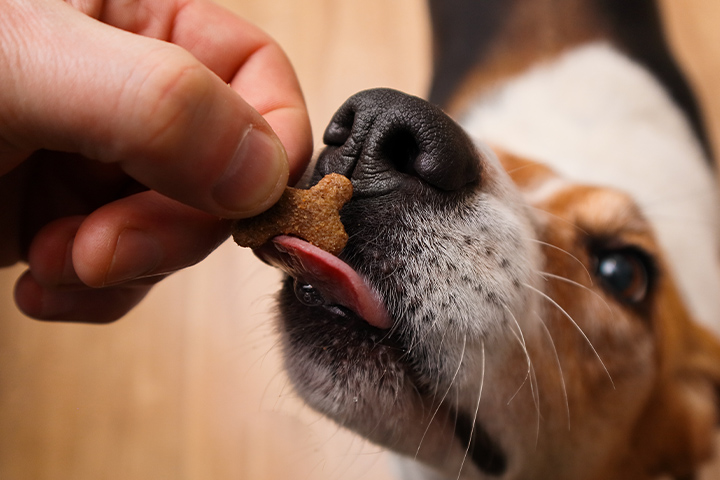
Treats are a brilliant training tool but they should make up no more than 10% of your puppy’s daily calorie intake. Too many treats can lead to weight gain and nutritional imbalance.
Good treat options include small pieces of cooked chicken or fish, commercial puppy treats, and even small bits of their regular kibble. Avoid treats that are high in salt, fat, or artificial additives.
Now that your puppy’s nutritional needs are sorted, it’s time to tackle some of the trickier behavioural challenges that come with this stage of life. Week 6 covers everything from chewing and biting to potty training setbacks, with practical, kind solutions for all of them.
Learn more about puppy insuranceJump to any chapter: