
Caring for large‑breed cats: Maine Coon mobility and long-term considerations
Learn how personality, space needs, continued care, and health factors shape life with a Maine Coon.
Read more5 March 2026
The British Shorthair is one of those breeds that blends perfectly into everyday life. Their plush coat, round face and gentle personality have made them increasingly popular in Australia, especially among people who love companionship without high energy demands. They are steady, affectionate and wonderfully suited to a quieter home routine.
As more Australians shift toward responsible indoor cat care, this breed’s laid-back nature makes it an ideal match. Learning about their behaviour, care needs and health considerations helps new owners set them up for a happy, well-supported life.
Jump to:
British Shorthairs are known for their calm and even‑tempered nature. They typically enjoy being near their owners, observing the flow of daily life with quiet curiosity. Their presence is steady and affectionate without being overly vocal or demanding, making them ideal companions for people who appreciate a relaxed and undramatic feline personality.
Their gentle temperament suits households with predictable routines, including busy families or individuals who work full time. British Shorthairs are comfortable spending their day resting in favourite spots, watching the world from a sunny windowsill, or exploring their surroundings at their own pace. They often develop strong bonds with their families while maintaining a composed and confident demeanour that makes them easy companions.
This natural composure also lends itself well to apartment living. British Shorthairs generally prefer cosy resting areas and gentle play, creating a peaceful indoor environment. Their blend of independence, calmness, and quiet affection contributes to their growing popularity in Australia’s metropolitan areas.
British Shorthairs are generally considered a sturdy and reliable breed, yet they do have several recognised hereditary and lifestyle‑related health risks. One condition that receives particular attention is hypertrophic cardiomyopathy (HCM), a genetic disorder that causes the heart muscle to thicken and reduces the heart’s efficiency. Routine cardiac screening, including echocardiograms and periodic blood tests, is recommended throughout a cat’s life, especially for breeding animals, to support early detection and long‑term management.
Polycystic kidney disease (PKD) is another inherited concern. This condition leads to fluid‑filled cysts forming within the kidneys, which may gradually impact kidney function as a cat ages. Responsible breeders typically conduct DNA testing to reduce PKD transmission, and ongoing monitoring – such as kidney ultrasounds or annual bloodwork – helps identify potential issues before symptoms become advanced.
Weight management is especially important for British Shorthairs. Their naturally relaxed temperament and lower activity levels mean they can gain weight easily if diets are not carefully controlled. Obesity significantly increases the risk of conditions such as diabetes, joint strain, heart disease and fatty liver disease. Structured feeding plans, measured portions, puzzle feeders and daily interactive play sessions are effective strategies to maintain a healthy weight and support overall well‑being.
British Shorthairs can experience tartar accumulation and gum inflammation, both of which may develop without obvious signs. Regular dental examinations, veterinary cleaning when required and the use of approved dental treats help maintain good oral hygiene. Balanced nutrition and steady access to fresh water further contribute to long‑term dental health.
The British Shorthair’s plush double coat is one of its defining features, and although it is thick, it generally remains easy to look after. A light brushing once or twice a week is usually enough to remove loose hair and keep the coat feeling soft and tidy. Owners in Australia may notice more shedding during warmer seasons, so brushing a little more often can help keep fur around the home under control.
Because British Shorthairs are typically indoor companions, simple routine care goes a long way. Regular nail trimming helps keep their paws comfortable, and basic dental care supports their long‑term health.
A clean litter area is also important. These cats tend to appreciate tidy spaces, so keeping the tray fresh encourages reliable toileting habits. Adding enrichment such as scratching posts, soft perches and a few interactive toys helps keep them mentally stimulated and provides healthy outlets for their natural behaviours.
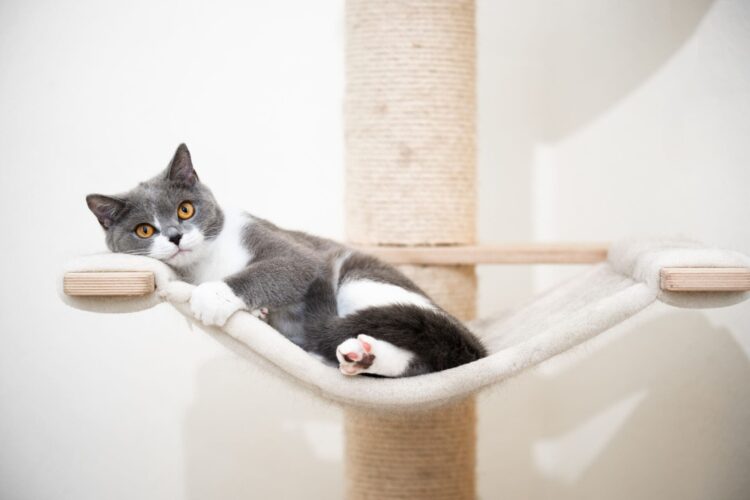
Australia’s unique wildlife and environmental conditions mean that keeping pet cats indoors is becoming more common and often recommended. For British Shorthairs, indoor living provides several important benefits. It helps protect native wildlife, reduces the risk of road accidents and limits exposure to infectious diseases, parasites and territorial disputes. Many local councils now encourage or require cat containment as part of responsible ownership, which supports both biodiversity and animal welfare.
British Shorthairs are naturally suited to this lifestyle. Their calm temperament, low prey drive and love of comfortable environments make them ideal indoor companions. They are not typically driven to roam or hunt, which reduces the likelihood of frustration or behavioural issues when they are kept indoors.
Indoor living is also a great option for senior British Shorthairs. As they get older, they may develop conditions that make a stable, predictable environment especially important. By giving them easy access to food, water and comfortable sleeping areas, and by limiting outdoor risks, owners can help ensure their cats stay safe, relaxed and supported at every stage of life.
Caring for a British Shorthair is usually straightforward, as they’re generally healthy and tend to live long, comfortable lives. Even so, it’s important for owners to plan for both routine veterinary care and any unexpected health issues that might arise. Conditions like HCM, PKD, dental disease or complications related to obesity can require ongoing check‑ups, diagnostic imaging, specialist advice or long‑term treatment. These expenses can add up over time, especially as a cat gets older.
Many Australian pet owners also factor insurance into their long‑term planning. Pet insurance typically covers eligible expenses related to accidents or illnesses, which can help manage the financial side of veterinary care. For some households, this can offer a sense of reassurance when it comes to supporting their cat’s health over time.
Learn more about the coverage available for British ShorthairWith the right care, British Shorthairs often live 12 to 20 years, making them steady, long-term companions that bring affection and quiet charm to the households they join. Their calm nature, simple grooming needs and suitability for indoor living make them a great fit for families, individuals and retirees who appreciate a relaxed and dependable feline friend.
Prospective owners should keep in mind that caring for a British Shorthair is a long-term commitment. Preventative veterinary care, balanced nutrition and ongoing enrichment all play a role in maintaining their wellbeing. Being aware of potential health risks and planning ahead, both financially and practically, can help support a healthy and comfortable life throughout their senior years.
For those prepared to offer a stable, caring and enriching environment, the British Shorthair is a wonderful companion, providing years of loyalty, comfort and gentle affection.