
Hot summer cat cools down in front of fan
Caring for your pet during hot weather
Learn the signs of heatstroke in pets and discover tips to keep them cool this summer.
Read more12 December 2025
Australia’s summers can be tough on all pets, but small mammals like guinea pigs, rabbits, ferrets and rats are particularly vulnerable. Because they’re tiny, sensitive to heat, and often kept indoors or in cages, they rely completely on us to stay safe and comfortable. If you share your life with one of these little companions, a few seasonal changes can go a long way in protecting them.
Jump to:
Why small pets struggle with hot weather
Easy ways to keep your pet cool
Outdoor time sounds fun, but there are hidden risks
How to improve air flow safely
Tips for safe feeding
When to see a vet
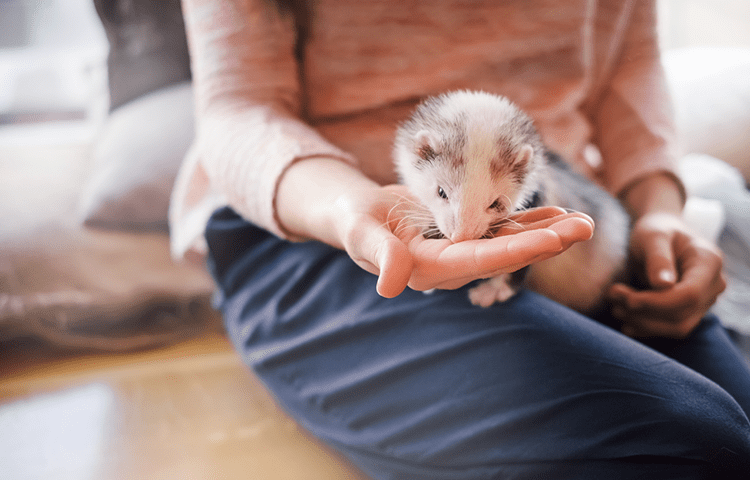
Small mammals don’t cope well with high temperatures. A hot day that feels “normal” to you can be dangerous for them because most can’t sweat efficiently or regulate heat as well as dogs or cats. In Australia, heatwaves are becoming more common, which means owners need to be extra vigilant.
Find out how to keep your pet cool during the summer months in our blog.
Many small pets enjoy outdoor time, especially guinea pigs and rabbits nibbling grass. But summer brings specific dangers.
If you take your small pet outside, stick to early mornings or late afternoons, provide shade and supervision every second they’re out.
Warm weather brings out more fleas, mites, ticks and mosquitoes. These bugs and insects can bite your small pet and make them itchy, but they can also do more harm. Because your pet has delicate skin and a tiny body, these pests can quickly cause anaemia, infections and sore skin.
In summer, many owners try to keep pets cool by covering cages or moving them into smaller shaded areas. While this is done with good intentions, it can sometimes trap heat or reduce airflow.
Small mammals thrive when their habitat is designed specifically for their needs. And if you’re still deciding which pet is right for you, doing a bit of research can make the choice a lot easier.
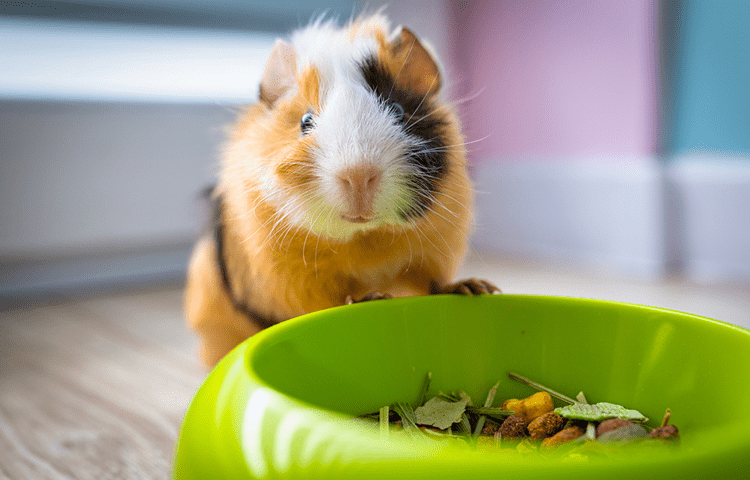
Summer brings plenty of fresh, sweet fruits and tasty veggies, so it’s easy to start giving your small pet more of them. It feels like a healthy treat, but changing their food too quickly can upset their sensitive tummy in no time.
If your small pet has soft stools, diarrhoea, or stops eating, don’t wait to see if it gets better. Even small changes in eating or toileting can be a sign that something is wrong. Contact your vet as soon as you notice these signs. Quick action gives them the best chance to stay healthy.
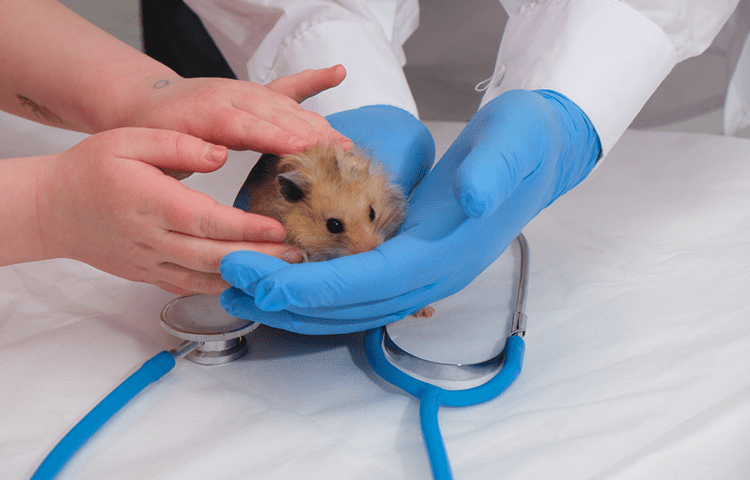
Small pets are good at hiding when they’re sick, so by the time you notice, it can be serious. In summer, you should get urgent vet care if you see:
If your pet needs specialised care, pet insurance can help cover some of the costs. It’s worth knowing what support is out there, especially for exotic pets, so you’re not caught off guard.
Small mammals may be tiny, but caring for them in summer requires big attention to detail. Being proactive about heat management, enclosure safety, outdoor time and parasite control can help them stay happy and healthy through the warmer months.
As long as you stay aware of their needs and respond quickly to changes, guinea pigs, rabbits, ferrets and rats can thrive in Australian homes all year round. A little preparation goes a long way for these delicate pets who rely on you for their safety.
Find out more about small mammal insurance