
Choosing the right pet insurance for your dog or cat
Your guide to coming to an informed decision for choosing the right pet insurance for your dog or cat
Read more20 March 2026
The Bengal cat is one of the most visually distinctive domestic breeds, admired for its rosetted or marbled, leopard‑like coat, sleek athletic build and confident presence. In Australia, Bengals are becoming increasingly popular among pet owners who want an active, interactive and highly intelligent feline companion that brings energy and personality into the home. Their appeal extends well beyond appearance, as they are known for their curiosity, agility and inventive nature.
Bengals have a strong need for daily engagement and are not ideal for low‑interaction households. They may become frustrated or destructive if their needs are unmet. Understanding their temperament, enrichment requirements, health considerations, grooming routines and the realities of indoor containment in Australia can help you decide whether this remarkable breed suits your lifestyle.
Jump to:
Bengals are best described as energetic, intelligent and boldly social. They are far from sedentary and tend to stay busy, with a constant desire to explore, climb, investigate and interact with their humans. Many Bengals are talkative and use a wide range of chirps, trills and meows to express their opinions. Combined with their strong orientation toward people, this vocal expressiveness often makes them feel like a small, highly interactive roommate who expects to be involved in daily activities. Because they are extremely bright, they learn household patterns quickly and often invent games, open cupboard doors, figure out puzzle feeders and seek out new vantage points. This intelligence is a strength when it is channelled productively, but without guidance it can lead to nuisance behaviours such as counter surfing, opening drawers, chewing plants or knocking objects from shelves for entertainment.
Early socialisation is essential for developing a confident adult Bengal. Positive exposure to new sounds, visitors, gentle handling, carriers, car trips and routine husbandry builds resilience and reduces stress reactivity. Introductions to resident pets should be structured and gradual, as Bengals have a confident manner that can overwhelm more sensitive animals at first. With a thoughtful plan, most Bengals become playful, social companions for other cats and even cat tolerant dogs.
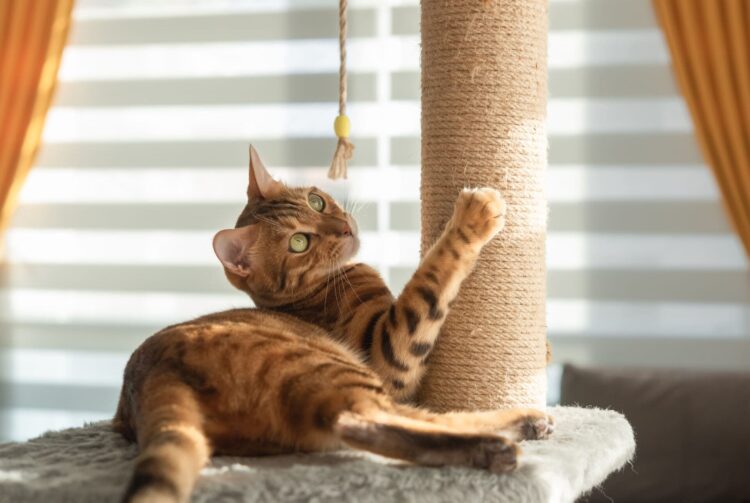
In Australia, keeping pet cats indoors or within a secure enclosure is strongly recommended to protect native wildlife and reduce risks from traffic, predators, toxins and infectious diseases. For Bengals, indoor living is especially advisable because of their powerful prey drive, high energy and fearless curiosity. They are superb climbers and jumpers, and a Bengal with free outdoor access can be difficult to recall or contain. Indoor containment does not mean compromise but rather thoughtful design. Cat-friendly homes set Bengals up for success with vertical territory, safe window views and robust scratching options. Multi-level cat trees, wall mounted shelves, sturdy climbing towers and window perches allow them to move through space in three dimensions and to survey their world from above.
Catio installations have become popular and provide a fully secured outdoor area attached to a window, door or patio. A well-built catio offers fresh air, sun and safe environmental complexity without exposing the cat or local wildlife to danger. Good containment also involves Bengal proofing. These cats are known for testing boundaries, so secure bins, child locks on cabinets containing cleaning agents or foods, and tidy management of cords, plants and fragile decor are important. Because Bengals are water curious and some enjoy splashing or perching at the shower or sink, it helps to close toilet lids, secure aquariums and keep harmful chemicals well out of reach.
Bengals stay engaged when their minds and bodies are challenged throughout the day. Short, frequent play sessions work better than one long burst. Think of enrichment as layers. Start with daily interactive play using wand toys that move like real prey, mixing quick darts with slow, stalking motions to match the hunt–chase–pounce sequence. Include a capture moment by letting the cat catch the toy, then offer a small treat to help reduce post‑play frustration. Add problem-solving with puzzle feeders, food mazes and treat balls, and rotate difficulty so the activity stays interesting. Clicker training fits the Bengal mindset well. Many pick up sit, high five, spin and mat work, along with more advanced skills like jumping through hoops or going to a perch on cue. Short, upbeat sessions help build focus, confidence and a shared communication style.
Support movement in the environment by placing scratching posts with different textures near doorways, beds and favourite perches so scratching becomes an easy choice. Offer several climbing routes, such as a tree connected to a shelf and a bridge, to encourage exploration and reduce tension in multi‑cat homes. Play before meals can suit their natural rhythms, especially during dawn and dusk when activity naturally increases. On busy days, preset battery toys, foraging trays and window viewing spots behind closed glass help fill the stimulation gap. Leash and harness training can add another outlet. With gradual introduction, generous rewards and calm locations, many Bengals learn to enjoy supervised outdoor walks in quiet, secure areas.
Bengals are generally robust, but like all breeds, they have certain tendencies that attentive owners should keep in mind.
Hypertrophic cardiomyopathy is the most significant cardiac concern. This condition thickens the heart muscle and may progress without obvious signs, which is why regular heart screening is recommended for at‑risk individuals. Ethical breeders often screen breeding cats with echocardiography, and many owners schedule periodic evaluations during adulthood.
Progressive retinal atrophy is another inherited issue linked to gradual vision loss. Bengals have a breed‑specific PRA variant, and DNA tests help reduce its incidence. For pet households, routine veterinary eye checks and watching for poor night vision, hesitation with jumps or changes in navigation can help identify early changes.
Orthopaedic issues such as patellar luxation may also appear in some Bengals and can affect hind limb comfort. Signs include intermittent skipping gaits, difficulty jumping or inconsistent use of a hind leg, which all warrant a timely veterinary assessment.
Some may develop chronic vomiting or diarrhea related to food intolerance or inflammatory bowel disease, making careful protein selection and slower diet transitions helpful during flare-ups. Sudden food changes and heavy treat use can disrupt digestion, so a steady feeding routine often works best.
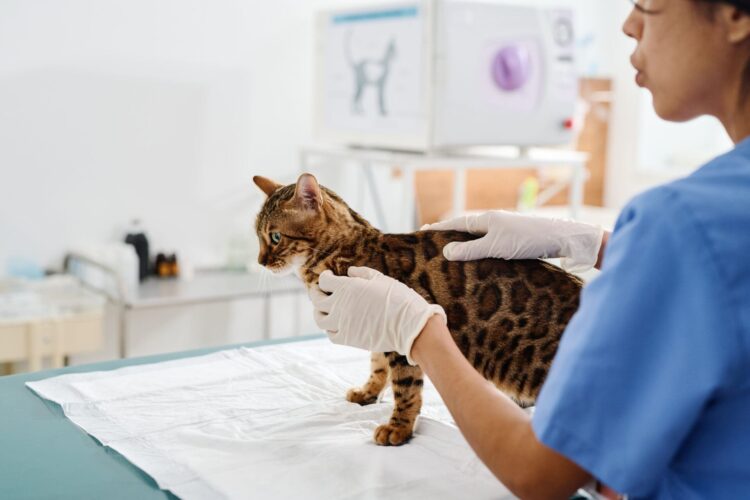
Across these concerns, early detection plays an important role. In addition to standard wellness care, many veterinarians recommend discussing breed‑appropriate screening so baseline information can be established for heart function, eye health, dental status and body condition. Maintaining a stable and healthy weight helps support joint comfort and long‑term wellbeing.
Bengals have a short, fine coat that lies close to the body and requires modest maintenance compared with long‑haired breeds. Even so, a regular routine is still important.
Weekly brushing with a soft rubber curry or grooming mitt helps remove loose hair, stimulates natural skin oils, and reduces shedding around the home. This quick grooming session also works as a hands‑on health check, giving you a chance to notice any lumps, skin irritation, flea dirt, or small scratches from active play.
Nail care fits naturally into the weekly rhythm as well. Trim the tips before they become too sharp and provide several high-quality scratching options such as upright sisal posts, horizontal cardboard scratchers, and angled ramps. These support healthy nail wear and help keep your furniture safe.
Many Bengals are comfortable with bathing, especially when they are introduced to it early. Warm water, calm handling, and play or treats afterward make the experience positive. Occasional baths are useful when outdoor catios or energetic floor‑level play lead to dust or dirt building up on the coat.
Dental hygiene is an important part of caring for Bengals, just as it is for all cats. Daily or near‑daily tooth brushing with a vet‑approved feline toothpaste is the ideal routine. If brushing is not yet possible, start with a gradual plan. Begin with gentle gum massages, then introduce a finger brush, and eventually transition to a small toothbrush. Dental diets, gels, and periodic professional cleanings help complete the oral care approach.
Keep the ears clean and dry by checking them weekly for redness, debris, or odour. Since Bengals are active climbers and love exploring vertical spaces, it also helps to check their paw pads for minor abrasions and to make sure landing areas are safe beneath their favourite jumping spots.
Australia’s climate and biodiversity shape practical Bengal care, so indoor life needs thoughtful planning. Heat management is especially important in warmer regions. Make sure your home offers cool refuge through air conditioning or efficient fans during the hottest parts of summer. Place perches away from direct midday sun and provide cool resting spots like ceramic tiles or cooling mats. Hydration also matters. Multiple water stations, wide bowls that reduce whisker stress, and water fountains can encourage frequent drinking and help keep your Bengal comfortable.
Protecting native wildlife is a shared responsibility across Australia. Indoor living and well-designed catios give Bengals the chance to observe the outdoors and enjoy hunt-like play without putting birds, lizards or small mammals at risk. Many Australian councils and welfare organisations also promote keeping cats safely contained at home, supporting both wildlife protection and healthier, enriched indoor lifestyles for active breeds like Bengals.
Environmental noise can be more noticeable in urban areas. Gentle sound desensitisation using low volume recordings of traffic, thunderstorms or outdoor commotion paired with treats can help your Bengal remain calm during real events.
Bengals tend to bond deeply with engaged households. They often pick a favourite person, yet they usually stay sociable with everyone in the family. In homes with children, Bengals do best when play is structured and respectful. Teach kids to use wand toys so there is a safe amount of space during high-energy play. Encourage them to avoid handling the cat when it is clearly in “hunt mode”.
For families with multiple pets, slow and thoughtful introductions work best. Begin with scent swapping. Follow this with visual exposure from a safe distance. Increase their shared space gradually as both animals grow more confident. Bengals often enjoy having another energetic cat that can match their play style. However, temperament compatibility is important, since a timid senior cat may not enjoy the enthusiasm of a young Bengal.
Daily routines support a Bengal’s overall health and comfort. Predictable mealtimes, focused play sessions, rest periods and short training windows reduce frustration and help your cat feel more settled. A consistent schedule also makes it easier to notice early signs of illness. Small changes in appetite, energy or litter habits become more obvious when your cat’s normal routine is steady.
Caring for an active and intelligent breed involves both predictable and unexpected costs. Routine expenses include high-quality nutrition, parasite prevention, vaccinations, enrichment supplies, replacement of well-loved toys and sturdy climbing structures that can support a powerful jumper.
Because Bengals like to push their physical limits, they can be prone to sprains, soft tissue injuries or the occasional mishap from a high jump. Active play can also lead to claw or tooth fractures that require veterinary attention.
Breed appropriate screening is another long term consideration. Periodic echocardiograms for HCM risk when advised by your vet, retinal evaluations for vision concerns and regular dental cleanings contribute to lifetime costs. These steps support early detection and better outcomes.
Some Bengals have gastrointestinal sensitivities that may require premium diets or diagnostic workups. Specialist care, imaging and hospitalisation can also increase expenses during emergencies.
Many Australian pet owners choose insurance to help manage eligible veterinary costs for accidents, illnesses and specialist procedures. Understanding how cover works gives clarity on waiting periods, sub limits and inclusions. Exploring tailored policy options at Petcover Australia helps you match protection to your Bengal’s lifestyle and risk profile.
Bengals are striking to look at and even more engaging to live with. They are active, clever, vocal and highly interactive companions who enjoy being part of the daily rhythm of the household.
They thrive with owners who like hands-on play, creative environmental setups and positive reinforcement training. Multiple short engagement sessions throughout the day help them channel their energy in healthy ways. Indoor living, preferably with vertical pathways, puzzle feeding and a secure catio, allows their athletic nature to shine while keeping them safe and protecting Australia’s wildlife.
In terms of health, Bengals benefit from proactive screening, consistent nutrition and regular preventive care. From a financial perspective, planning for both routine needs and unexpected situations makes it easier to respond quickly when veterinary attention is needed.
For owners who are ready to meet their energy and curiosity, Bengals return the investment with loyalty, humour and a captivating presence that can turn a home into a dynamic and deeply connected companionship.