
Petcover Australia is the official partner and Gold Sponsor of EVSAP 2026
A brief update about Petcover attending the Exotic Vet Support Asia-Pacific Conference
Read more4 March 2026
Bearded dragons are among Australia’s most recognisable reptiles, and it’s no surprise they’ve become a favourite within the exotic‑pet community. With their calm personalities, striking appearance and curious nature, these lizards can make genuinely engaging companions for owners who are prepared to meet their specialised care needs.
While they come from some of the country’s hotter, drier regions, that tough background does not mean they are simple to care for at home. Responsible ownership means understanding their environmental needs, dietary requirements, potential health issues and the ongoing costs involved in keeping them healthy.
Before bringing a bearded dragon into your home, it’s important to know the legal requirements, habitat setup and long‑term responsibilities that come with owning an exotic pet in Australia. When provided with the right environment and nutrition, bearded dragons can become highly interactive pets, often developing familiar routines and responding well to gentle, regular handling.
Jump to:
Because Bearded Dragons are native Australian wildlife, they are subject to specific breeding and ownership regulations. Each state and territory has its own licensing requirements – some states require prospective owners to obtain a wildlife licence before purchasing or keeping a bearded dragon, while others require breeders to be licensed and provide documentation confirming the animal’s origin.
These regulations help protect wild populations from illegal collection and encourage reputable captive‑breeding practices. They also promote accountability by helping owners understand their responsibilities and the welfare standards involved in keeping exotic pets.
Before acquiring a bearded dragon, prospective owners should contact their state wildlife authority for guidance on permits, record‑keeping requirements and approved sources. Understanding these rules from the start helps guarantee that the animal is obtained legally and that the owner remains compliant throughout the reptile’s life.
Bearded Dragons aren’t like traditional pets such as cats or dogs – they have very specific environmental needs that must be met for them to stay healthy. Their enclosure should mimic the warm, dry, UV‑rich conditions of their natural habitat, and that starts with space. These reptiles grow quickly, so while a small enclosure might work for a juvenile, they’ll outgrow it fast. It’s best for new owners to be prepared to invest in a full‑sized setup early on.
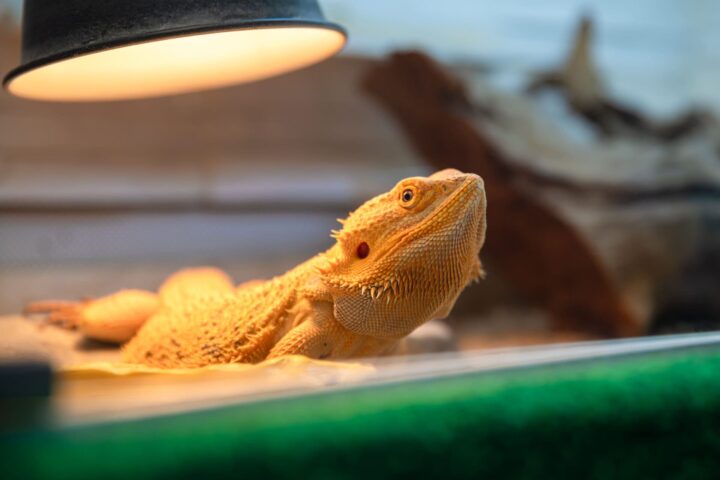
Lighting is one of the most important parts of caring for a bearded dragon. They rely on UVB light to produce vitamin D3, which helps them absorb calcium. Without enough UVB, they can develop metabolic bone disease, a condition that leads to weak bones, deformities and low energy. Even though a UVB bulb may still look bright, its UV strength fades over time, so it should be replaced according to the manufacturer’s directions.
Temperature control is also very important. Bearded dragons need a warm area for basking that reaches about 35 to 40 degrees celsius and a cooler area on the opposite side of the enclosure. This temperature range helps them warm up or cool down naturally. Keeping the right temperatures supports good digestion and helps their immune system. Nighttime temperatures can drop safely, but the enclosure should not become cold enough to cause stress or illness.
Bearded dragons need a mix of insects and fresh vegetables, and the balance changes as they grow. Younger dragons usually eat more insects, such as crickets or roaches, while adults shift towards a vegetable-focused diet. Food pieces should always be the right size to avoid choking or digestive issues. Many owners also use calcium and multivitamin supplements to make sure their dragon receives complete nutrition. A varied diet supports strong muscles and healthy organs and helps prevent obesity or nutrient deficiencies.
One of the most common, and also one of the most preventable health concerns that owners should keep in mind is metabolic bone disease. This condition often develops when a dragon does not receive enough UVB exposure or adequate dietary calcium. Early signs can include twitching, lethargy, weakness in the limbs, or a hesitation to move. Quick veterinary attention, along with improvements to lighting and diet, is important for successful recovery.
Respiratory infections may develop if a dragon is kept in an enclosure that is too cool or too humid. Signs can include wheezing, mucus around the mouth or nose, or difficulty breathing. Keeping temperatures and humidity at the right levels, especially as seasons change, helps prevent these infections.
Parasites are another common issue, especially in newly purchased dragons or in enclosures that are not cleaned often. Internal parasites can lead to weight loss, stomach upset, or changes in droppings. Regular faecal tests and prompt veterinary treatment are the best ways to manage them.
Impaction can happen when a dragon accidentally swallows loose substrate, large insects, or other materials that it cannot digest, causing a blockage. Symptoms include a poor appetite, low energy, or a lack of bowel movements. Feeding insects that are the right size and choosing safe, non‑loose substrates can help prevent impaction.
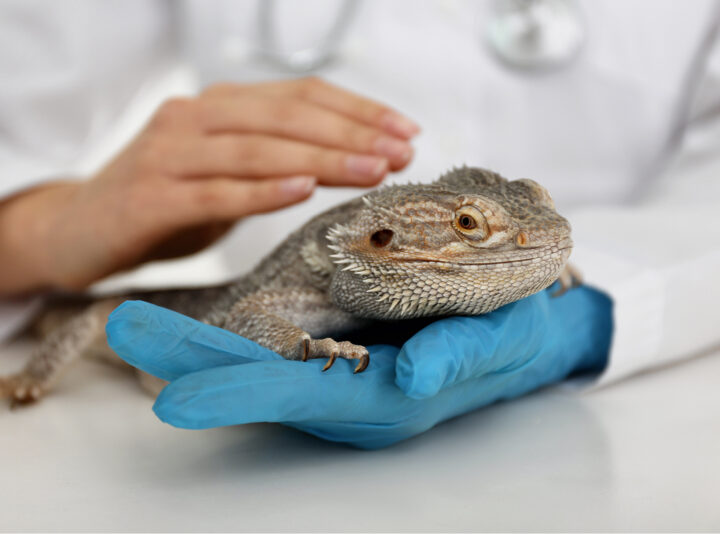
Because reptiles have special needs, their medical care is best handled by a veterinarian who is trained to treat exotic animals. Building a relationship with a specialist early on ensures your bearded dragon receives proper care whenever issues arise. With good husbandry and regular check‑ups, these reptiles can live eight to fifteen years, making them a long‑term companion.
Owning a bearded dragon is an enjoyable and engaging experience, and understanding the financial side of their care gives a clearer picture of what is involved beyond the initial purchase. The initial setup requires investment in a suitable enclosure, UVB lighting, heat lamps, thermometers, timers, hides and safe substrates. These items are essential for their wellbeing, and some of the lighting and heating equipment will need periodic replacement, which becomes part of the regular upkeep.
Veterinary care for reptiles can also differ from that of more common pets, as it often involves specialised knowledge. This can influence the cost of consultations, diagnostic tests and treatments. Conditions such as metabolic bone disease, respiratory infections or parasitic issues may need timely care, and at times extra veterinary support. Because of this, many exotic pet owners explore insurance options to help manage eligible veterinary expenses.
Learn more about the coverage available for bearded dragonsBearded dragons can be very rewarding pets for people who are ready to meet their specific needs. Their health and comfort rely on consistent care, including the right habitat setup, proper feeding and access to veterinary help when needed.
For those who enjoy learning and want an interactive, engaging companion, bearded dragons can offer a unique and enjoyable pet experience.