
Hot summer cat cools down in front of fan
Caring for your pet during hot weather
Learn the signs of heatstroke in pets and discover tips to keep them cool this summer.
Read more17 December 2025
Bringing home a new puppy or kitten is one of life’s unforgettable moments – the tiny paws, curious sniffs, sleepy snuggles, and that overwhelming feeling of “Wow, this little one is mine.” But those first days are also crucial. Your new pet is adjusting to a completely unfamiliar world: new sights, new smells, new humans, and no littermates for comfort. Helping them settle starts the moment they arrive – letting them explore their new home, showing them where they’ll sleep and eat, keeping their food consistent for the first couple of weeks, and creating a calm space without too many visitors. The first night can be unsettling for them, so placing their bed or crate nearby offers reassurance as they begin building trust and confidence in their new life with you.
Getting a new pet is exciting, and having the right gear ready makes those first few days smoother for both of you. Here’s everything you’ll need to prepare.
(Or you can have them professionally groomed at a groomer – starting early helps them get used to the experience)
Consistency and patience are key.
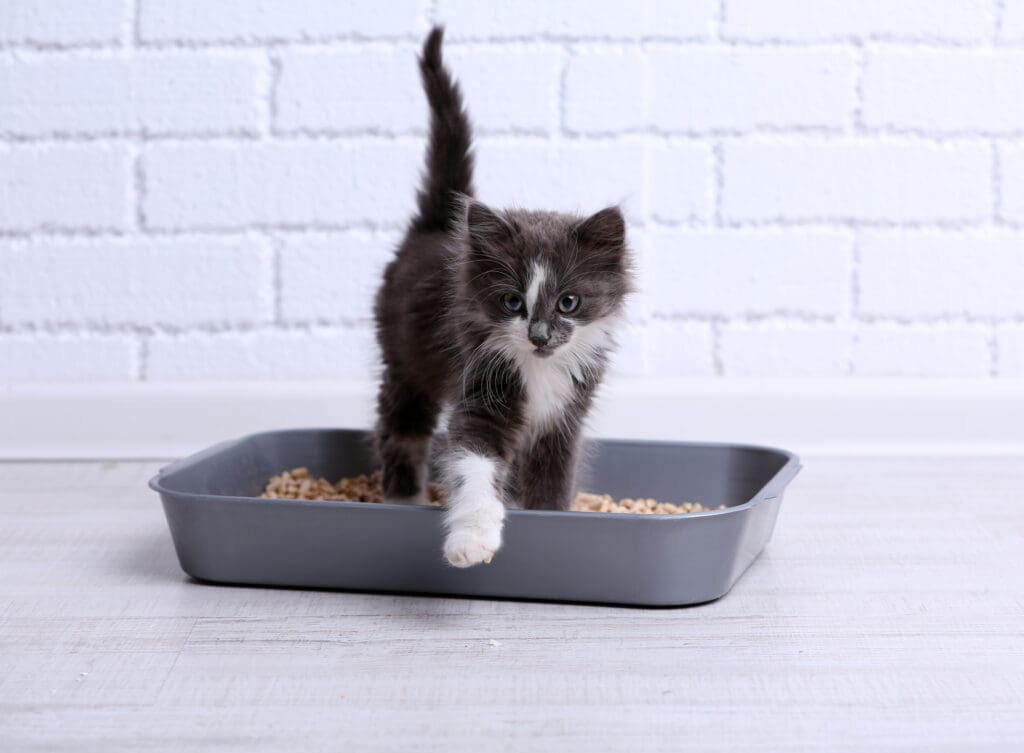
Most kittens are naturals, and they catch on fast. Provide:
Once your new pet settles in at home, book a check-up with your vet. This first visit is important – it confirms your puppy or kitten is healthy, helps you understand their care schedule, and gives you a chance to ask questions.
Most breeders and rescue groups will have already completed an initial health check before adoption, and many will provide paperwork showing when the next vaccination and worming treatment are due. If this information isn’t clear, your vet will help you create a proper plan.
Your vet will:
Bring your puppy on a lead or your kitten in a secure carrier, and avoid contact with other animals in the waiting room until vaccinations are completed.
Puppies and kittens usually receive vaccines at:
Boosters then follow based on your vet’s advice.
Puppies have different nutritional needs than adult dogs: they require more protein, fat, and certain minerals (like calcium & phosphorus) to support rapid growth and development.
For large-breed puppies (e.g Labs, Shepherds, Great Danes etc), vets strongly recommend a “large-breed puppy” formula to protect their developing bones and joints.
Many owners choose a high-quality commercial puppy diet, while others incorporate fresh food or home-prepared meals. If you prefer the latter, vets recommend doing so with guidance, especially for growing puppies – to make sure all essential nutrients are covered and development stays on track.
A balanced approach, whether commercial, fresh, or a combination of both, gives your puppy the best chance to grow safely and thrive
Instead of relying solely on the feeding chart, monitor your puppy’s body condition:
Look for a high-quality commercial food labelled specifically for kittens. These are formulated with:
How often to feed kittens
Fresh water should always be available. Many vets like a mix of wet and dry food for kittens – wet food supports hydration, while dry food can help with dental health and convenience.
Avoid these common mistakes with kittens:
Australia is full of new sights, sounds and surprises – early socialisation helps your pet grow into a calm, confident adult.
Introduce them gently to:
Socialise them with:
Keep kittens indoors or in a secure catio – ideal for safety, native wildlife protection, and compliance with council cat-curfew rules.

For Kittens
Both puppies and kittens sleep 18–20 hours a day – it’s how they recharge their adorable batteries.
Unexpected vet bills in Australia can rise quickly — especially in emergencies such as tick paralysis, ligament injuries, ingesting toxic substances, heatstroke or snake bites. Preparing early can make a big difference to your pet’s long-term wellbeing.
Pet insurance with Petcover can help cover:
Every policy is different, so it’s important to review your cover carefully – including waiting periods, limits and any exclusions – to ensure it meets your pet’s needs.
Planning ahead gives you greater confidence, more financial flexibility, and the peace of mind that you can support your pet through both the expected and unexpected.
Find out more about small mammal insurance