
Top cat claims from last spring: What pet owners should know
See the conditions behind some of last spring's top cat claims and what owners should know.
Read more29 September 2026
Cats are curious by nature. Whether they’re watching birds from the window, climbing to the highest spot they can find or investigating every corner of the garden, there’s a whole world outside for them to explore.
But letting your cat roam freely can come with risks – from traffic and other animals to getting lost, injured or exposed to disease. Cats can also have a significant impact on Australia’s native wildlife.
The good news? Keeping your cat safe doesn’t mean they have to miss out on the great outdoors.
A secure outdoor cat enclosure, often called a catio, or a cat run can give your cat the sights, sounds and fresh air of outdoor life while helping keep them safely contained.
For indoor cats, having access to a safe outdoor space can provide another source of physical activity and mental stimulation.
An outdoor enclosure gives your cat the opportunity to climb, explore, play, stretch out in the sunshine and watch everything happening around them – without the same risks associated with roaming freely.
It can be particularly helpful for cats that previously spent time outdoors and are transitioning to a more contained lifestyle.
And there’s another important benefit: keeping cats contained can help protect native birds, reptiles and small mammals.
Depending on where you live, your local council may also have rules around cat containment or curfews, so it’s worth checking the requirements in your area before deciding how your cat will access the outdoors.
The great thing about cat enclosures is that you don’t necessarily need a huge backyard or a big budget.
There are options for houses, apartments, courtyards, balconies and even windows.
Before you start, think about:
Once you know what you’re working with, you can choose a setup that suits both your home and your cat.
(INSERT IMAGE)
If you already have a secure garden or courtyard, cat-proof fencing can be one of the easiest ways to give your cat more room to explore.
A standard fence may not be enough – as many cat owners know, a determined cat can be an impressive climber.
Cat-proof fencing usually involves modifying the top of your existing fence with netting, angled barriers or specially designed cat-containment systems that make it more difficult for your cat to climb over.
You’ll also need to look for potential escape routes, including gaps underneath fences, overhanging trees, sheds, bins or outdoor furniture that could provide the perfect launching pad.
Before modifying fencing, check any relevant council requirements and, if you’re renting, speak with your landlord or property manager first.
A catio is essentially an enclosed outdoor space designed especially for cats.
It can be as simple as a small enclosure attached to a window or as elaborate as a large, multi-level outdoor playground complete with tunnels, platforms, scratching posts and sleeping areas.
If possible, connecting your catio directly to your home through a secure window, tunnel or cat door means your cat can move between their indoor and outdoor spaces more easily.
When designing your catio, think vertically as well as horizontally. Cats love being up high, so shelves, platforms and climbing areas can make even a relatively small enclosure much more interesting.
Add shaded areas, somewhere comfortable to sleep, fresh water and a few favourite toys and you’ve got the beginnings of a pretty impressive feline retreat.
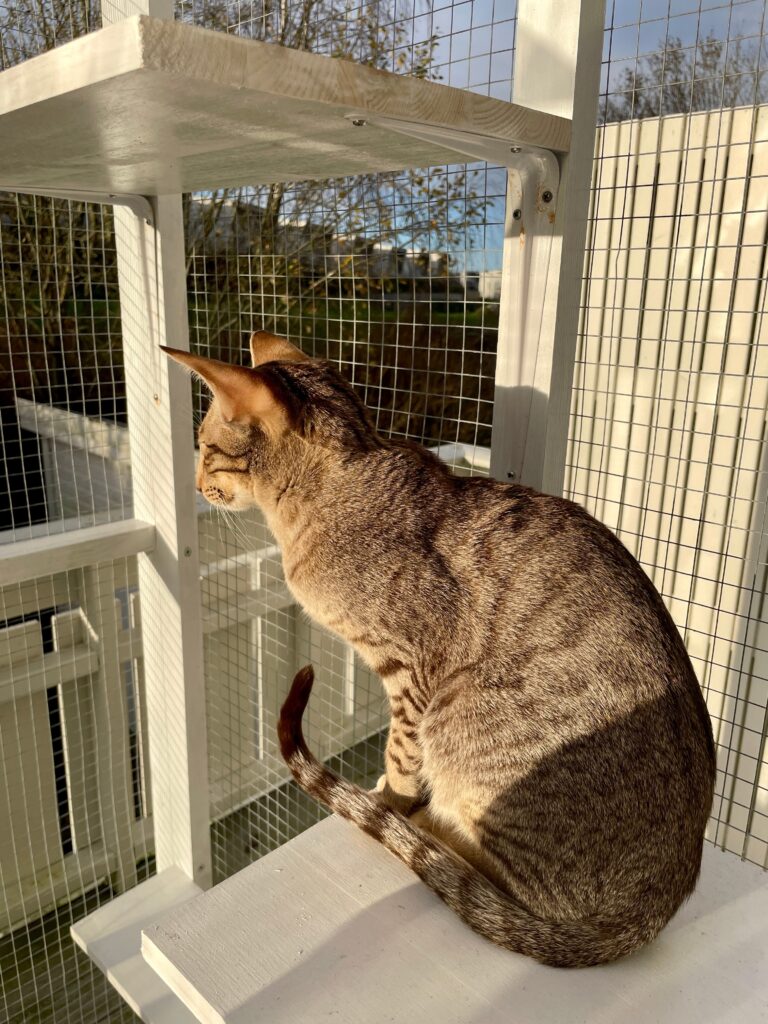
That narrow area down the side of your house might not seem particularly exciting to you – but to your cat, it could become an adventure zone.
Side passages can often be enclosed using cat-safe netting and transformed into long runs where cats can walk, climb and explore.
If the area can be accessed through a secure cat door or window, even better.
You can also add shelves, climbing platforms, scratching surfaces and resting spots to make better use of the available space.
Apartment cats don’t have to miss out either.
A balcony can potentially become a fantastic outdoor space for your cat, provided it is completely and securely enclosed.
Cat-safe netting or screening can help prevent falls and escapes while still allowing fresh air and outdoor views.
Once the balcony is secure, make it more interesting with elevated perches, a comfortable bed, scratching areas and cat-safe plants such as cat grass or catnip.
Always check your building or owners corporation rules before installing permanent fixtures or netting.

If you’re renting, planning to move or simply don’t want to make permanent changes to your home, a portable enclosure may be a better fit.
Freestanding cat enclosures, pop-up tents and modular tunnel systems can provide temporary outdoor access without permanently modifying the property.
They can also be useful if you only want your cat outdoors while you’re home to supervise.
Just make sure whatever you choose is sturdy, weather-resistant and properly secured so it can’t tip, collapse or provide an unexpected escape route.
Feeling handy?
A DIY cat run or catio can be a great way to create something specifically for your space and your cat.
Depending on the design, you might use timber, PVC framing, wire mesh or purpose-made cat netting.
Whatever materials you choose, safety comes first. Check for sharp edges, loose netting, gaps, unstable structures and anything your cat could become caught in.
Remember that cats can squeeze through surprisingly small spaces – and some are remarkably talented escape artists.
Supervise your cat closely when they first use the enclosure so you can identify any weak spots before your cat does.
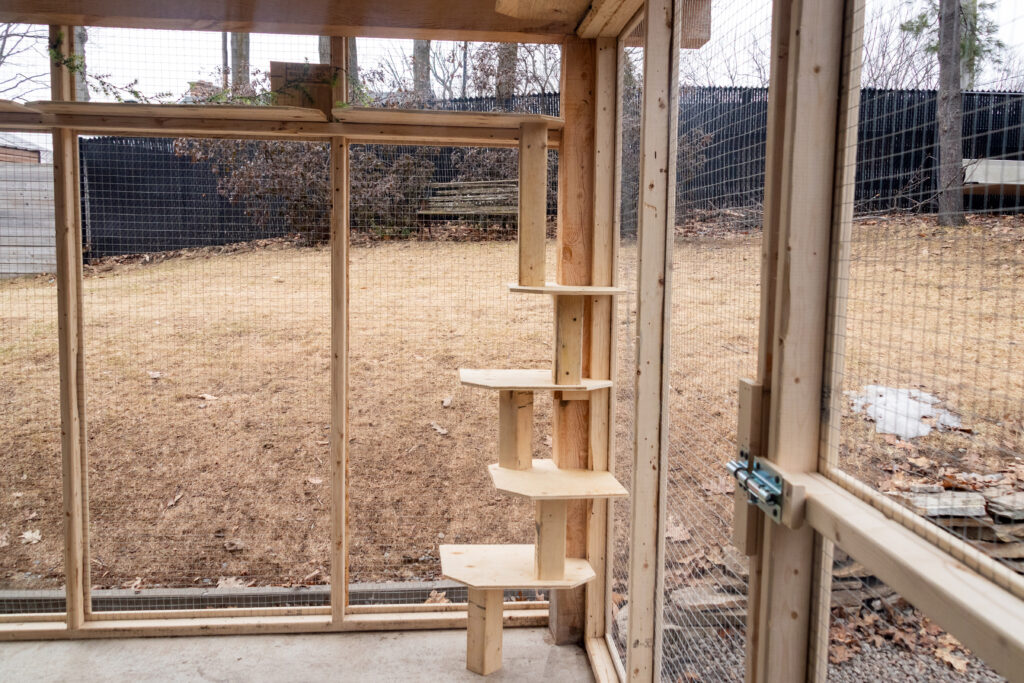
Building the enclosure is only half the fun.
The best cat spaces give your cat opportunities to behave like a cat.
Try adding:
If you have more than one cat, include multiple resting areas, hiding places and elevated spaces so everyone can find their own favourite spot.
If a catio or enclosure simply isn’t possible, there are still plenty of ways to keep an indoor cat entertained.
Window perches can give your cat hours of entertainment watching the world outside, while cat trees, shelves and climbing walls help make use of vertical space.
Food puzzles and interactive toys can encourage natural hunting and problem-solving behaviours, while scratching posts give cats an appropriate place to stretch and scratch.
Even something as simple as rotating toys can help keep their environment interesting.
Just be careful when introducing plants into your home. Some common plants can be toxic to cats, so always check that a plant is cat-safe before bringing it within reach.
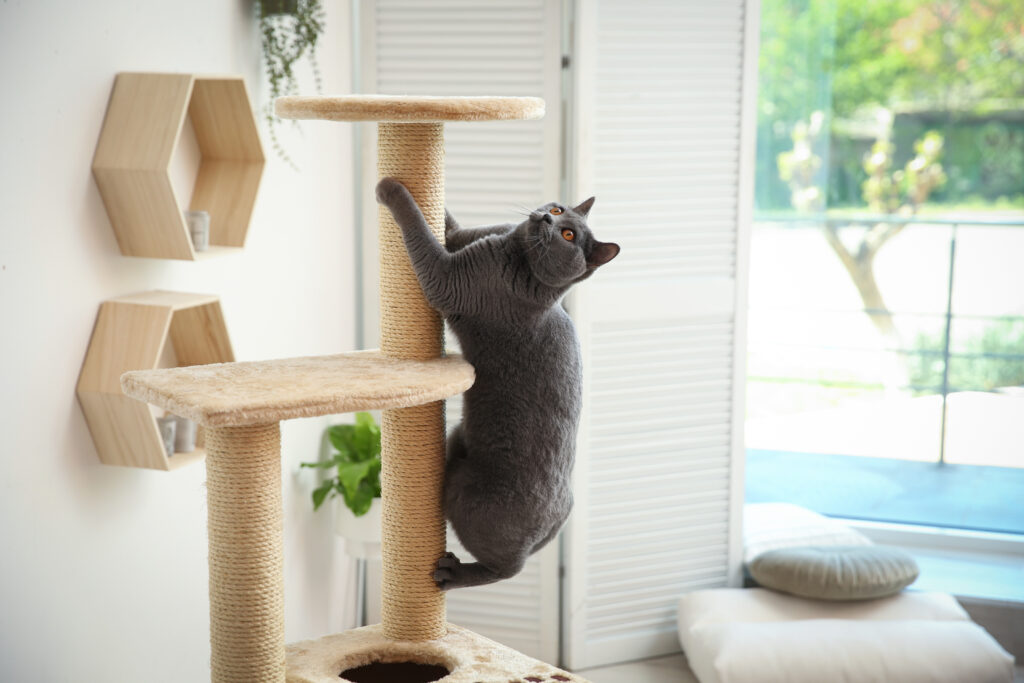
Some cats can learn to explore outside using a properly fitted harness and lead.
It tends to work best with confident, relaxed cats and is usually easier when introduced gradually from a young age.
But not every cat will enjoy going for a walk – and that’s perfectly fine. If your cat becomes stressed or frightened, a secure enclosure or enriched indoor environment may be a much better option.
Giving your cat a stimulating life doesn’t have to mean giving them unrestricted access to the outdoors.
Whether it’s a full backyard enclosure, a balcony catio, a tunnel along the side of your house or simply a secure perch beside their favourite window, there are plenty of ways to give your cat more opportunities to explore while helping keep them safe.
Start with your cat’s personality, your available space and what works for your household. Sometimes the simplest setup can become their favourite place in the house.
Even with a carefully cat-proofed home, curious cats can still find ways to surprise us – and accidents and illnesses can happen when we least expect them.
Petcover cat insurance can help provide protection for eligible veterinary costs when your cat needs care, helping you focus on getting them back to doing what they do best – exploring, climbing and finding the sunniest spot in the house.
Explore Petcover Cat Insurance and find the right level of cover for your cat.
Terms, conditions, limits, waiting periods and exclusions apply. Please refer to the relevant Product Disclosure Statement for full details