So, your top feline rules the roost but never roams away from the house. That means they don’t need to be insured, right?
The truth is that your four-legged friend could still get into scrapes or fall ill at home – and the potential vet bills to treat them could be eye-watering. In this article, we explore the risks that indoor cats can face and what treatment could cost to help you decide whether indoor cat insurance is worthwhile.
Jump to:
What is indoor cat insurance?
Indoor cat insurance is designed to help with the financial burden of unexpected vet bills if your feline friend becomes sick or injured. It’s there to mitigate unforeseen losses, not to cover routine care like vaccinations or dental cleanings, which are expected costs of responsible pet ownership.
Cover varies depending on what policy you pick but can include things like:
- Diagnosing your cat’s illness
- Treatment
- Medication
- Alternative therapies
- Behavioural sessions
What risks can indoor cats face?
Indoor cats might seem safe staying inside but they can still face health issues that can be stressful and costly to treat.
Illnesses
Indoor cats can develop many of the same common illnesses as outdoor cats. These can include:
- Urinary tract problems – conditions like urinary blockages or infections can cause your feline severe discomfort and need urgent vet care
- Obesity – with less opportunity to exercise and express natural instincts such as roaming and hunting, there’s a much higher chance of weight gain. This can then lead to serious problems like joint problems, diabetes and heart disease
- Gastrointestinal infections – tummy issues are common (even if they’re not eating wildlife) and may need diagnostics and medication to treat.
Behavioural issues
Being inside all the time can sometimes lead to behavioural problems. You may see:
- Stress-related behaviours such as overgrooming or excessive scratching
- Anxiety or avoiding the litter tray
- Aggression
- Destructive behaviour from a lack of stimulation.
Accidents
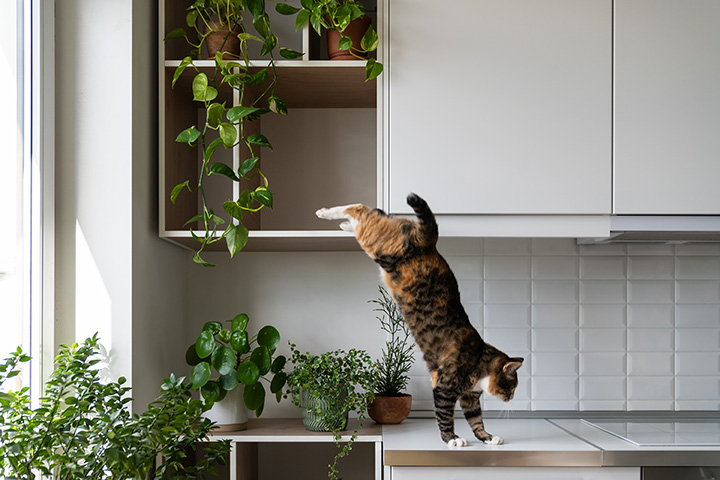
Just because your cat won’t be at risk of a car collision or getting trapped in an outbuilding, it doesn’t mean they can’t have an accident in the home. Common household accidents include:
- Falls from windows or furniture
- Eating something toxic like foods or household plants
- Swallowing sharp objects
- Injuries from play or getting caught (for example, in curtains).
Genetic conditions
Pedigree cat breeds can be prone to inherited conditions. Here are just a few breeds and some of the genetic conditions they could develop, regardless of whether they’re based indoors or outdoors:
- Burmese – diabetes
- Maine Coon – spinal muscular atrophy and hypertrophic cardiomyopathy
- Persian – progressive retinal atrophy (PRA) and polycystic kidney disease.
How much treating your indoor cat could cost you
Vet treatment costs vary depending on where you live with larger cities often charging more due to vet clinics having higher overheads.
But unlike for humans, pet healthcare isn’t subsidised by the Government and the bill can soon run into the thousands.
Here are some example costs to give you a better idea of what you could be paying out:1
- Fracture repair (long bone fractures) – $4,000
- Patellar luxation – $3,500
- Simple abdominal surgery – $4,000
Emergency vet appointments will be a lot more expensive than a normal consultation. Add in an overnight stay at a vet hospital and that’s when costs really escalate.
Why not use savings instead of getting cat insurance?
Some cat parents choose to ‘self-insure’ as they see paying for cat insurance as the more costly option.
But keep in mind that:
- Vet bills can be more expensive than you think. It may take a long time to save up enough to cover a large vet bill.
- Life happens and you might end up using those savings for something else. That means you’d have to start again from scratch with zero protection in place for your cat.
- Should something happen to your cat and you don’t have enough set aside for medical bills, you could face some tough decisions about their care.
Learn more about deciding between pet insurance versus saving in our handy guide.
Invest in indoor cat insurance
If you’ve decided that you want to protect your indoor kitty from the unexpected, Petcover is here to help with comprehensive pet insurance for cats.
At Petcover, you can find the right cat insurance for your favourite four-legged friend. Choose from a variety of vet fee limits, excesses, and cover extras to invest in a policy that works for your budget and your feline’s individual needs.
Get a quote today
FAQs
Do indoor cats need vaccinations?
Yes, it’s still important to get your indoor cat vaccinated regularly (as advised by your vet) because:
- Cat flu and viral infections can spread if a visitor unknowingly brings them in
- Core vaccines protect against panleukopenia and other serious diseases that are potentially fatal or very costly to treat.
While indoor cats may have a lower risk than outdoor cats, there’s still a chance they can catch something that could be prevented with regular boosters.
Will cat insurance cover routine care for my indoor cat?
No, most cat policies won’t cover routine care like vaccinations and flea and worming.
These are things you’ll need to pay out for yourself and it’s important to do so as they’re part of keeping your cat healthy and happy.
Does being an indoor cat reduce premiums?
Some insurance providers may see indoor cats as lower risk but pricing depends on a variety of things, including:
- Where you live
- Your cat’s age
- Their breed
- Their medical history
- What level of cover you choose
[1] *Prices quoted accurate as of 19 December 2025. The Referral Centre NZ.
