Your new kitten adventure begins
Bringing home a kitten is a heart-warming experience – tiny paws, soft purrs, and endless curiosity. Whether your new companion comes from a breeder or a rescue organisation, those first few months are filled with learning, bonding, and discovery.
This guide will help you prepare for every step of the journey – from choosing the right kitten and kitten-proofing your home to building healthy habits and understanding why pet insurance can be a smart part of responsible ownership.
Jump to:

1. Choosing the right kitten
Every kitten has its own personality – playful, cuddly, independent, or bold. Choosing one that fits your lifestyle and home environment sets the stage for a happy, stress-free life together.
Consider their temperament and energy
- Some kittens are adventurous climbers; others prefer quiet naps and gentle affection.
- If you live in a small apartment, a calmer, indoor-friendly kitten may suit you better than a high-energy explorer.
- Families with children or other pets should look for kittens that are already confident and well-socialised.
Indoor vs Outdoor Lifestyle
Think about whether your cat will live primarily indoors, have supervised outdoor time, or roam freely.
- Indoor cats often live longer, healthier lives but need enrichment – scratching posts, climbing trees, and playtime.
- Outdoor cats enjoy exploring but face more risks (traffic, toxins, and fights).
Some NZ owners choose a happy medium with catios or secure outdoor enclosures.
Purebred or mixed breed cat
Purebred kittens may have more predictable traits, but mixed breeds often boast wonderful temperaments and fewer inherited issues. Either way, always research common health concerns within the breed and ask for veterinary records before adoption or purchase.
Listen to your heart
Sometimes, the perfect kitten chooses you – not the other way around. Spend time observing how each kitten interacts with people and other cats. The one who confidently climbs into your lap might just be the right match.
Tip: Visit a few local rescues or breeders before deciding. Kittens change quickly, and meeting them in person gives you the best feel for their personality and comfort level.
2. Adopting or buying a kitten
Whether you choose to adopt or buy, the most important thing is giving your kitten a safe, loving, and permanent home. Both paths can lead to a wonderful lifelong bond — the key is to make your decision responsibly.
Adopting a kitten
Adopting means giving a kitten a second chance and helping make space for another animal in need. Across New Zealand, rescues like Lonely Miaow do incredible work rehoming cats and kittens that need care and stability.
When you adopt, you’ll often receive a kitten that’s:
- Vet-checked, microchipped, vaccinated, and desexed
- Already socialised through time in foster care
- Matched to your household and lifestyle
Tip: Ask about their background, medical history, and temperament. This helps ensure a smooth transition once they join your home.
Buying from a reputable breeder
If you decide to buy a pedigree kitten, take the time to find a responsible breeder who prioritises health and welfare over appearance or profit.
Look for breeders who:
- Are happy for you to visit and meet the kittens and parents in person
- Provide vaccination, microchip, and health-screening certificates
- Follow NZ Cat Fancy or Catz Inc. ethical breeding standards
- Ask questions about your home and experience – a good sign they care where their kittens go
Avoid anyone unwilling to show you where kittens are raised or who offers to ship them sight unseen.
Health and paperwork essentials
Before bringing your kitten home – whether from a breeder or rescue – make sure you receive:
- Vaccination and deworming record
- Microchip number
- Desexing certificate (if applicable)
- Adoption or purchase agreement
These documents are not only important for your kitten’s ongoing wellbeing – they’re often required for insurance cover, vet care, and catteries if your cat ever needs boarding.
3. Before you bring your kitten home
Bringing a kitten home for the first time is exciting, but a little planning makes the transition smoother for both of you. Preparing your space in advance helps your kitten feel secure and sets them up for healthy habits from day one.
Think of it as creating a calm, welcoming environment where your new family member can explore safely and settle in at their own pace.
Your kitten-prep checklist
Use this quick list to make sure everything’s ready before your kitten arrives:
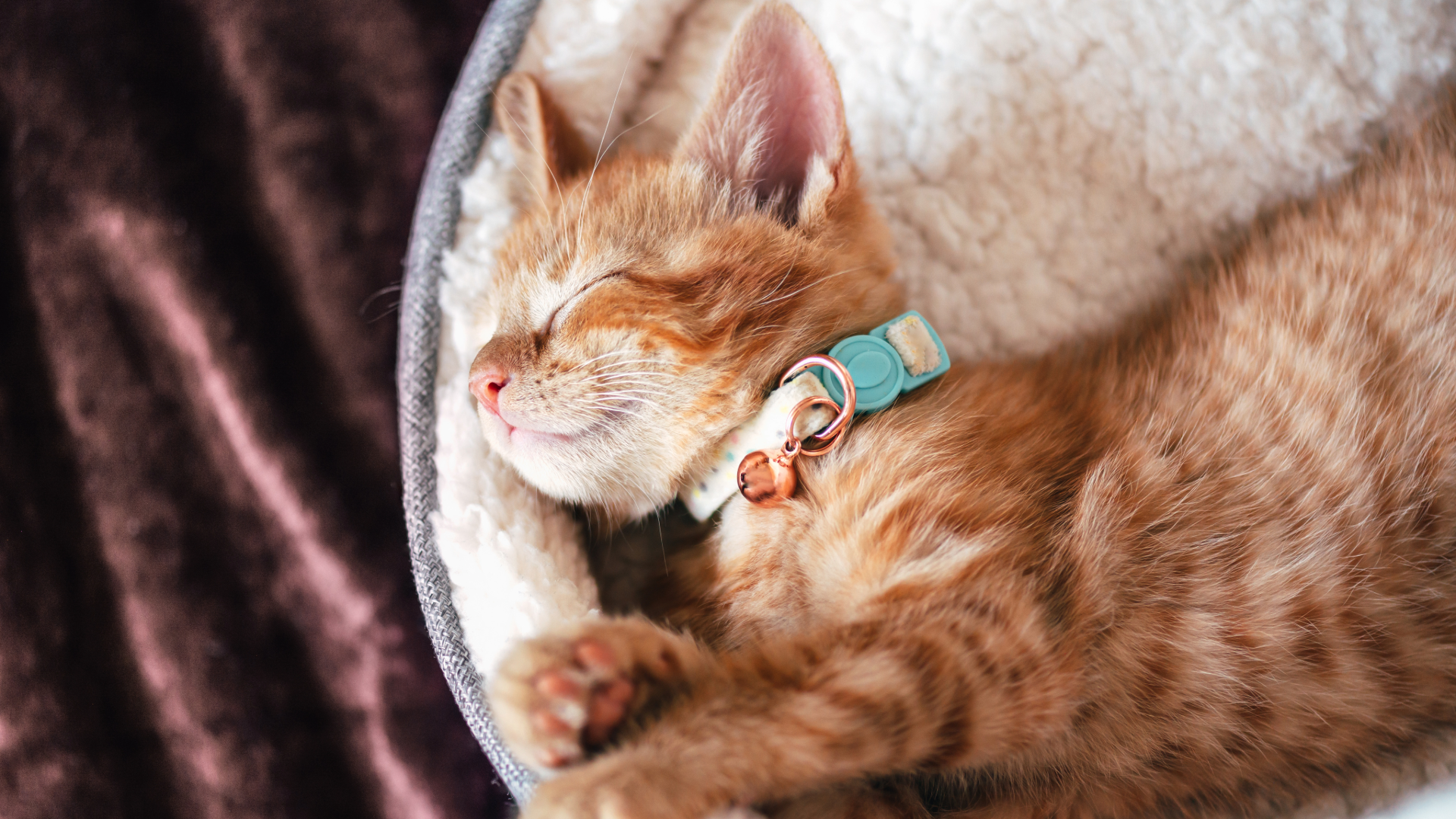
- Cosy bed or blanket: somewhere quiet and warm to nap and feel safe.
- Food and water bowls: shallow and easy for little faces to reach.
- Kitten food: choose a high-quality formula suited for their age; ask your vet or rescue which brand they’ve been eating to avoid sudden changes.
- Litter tray and scoop: one per cat, plus one extra; place it in a calm, low-traffic area.
- Toys and scratching posts: encourage play and protect your furniture.
- Carrier: sturdy and comfortable for vet visits and travel.
- Collar and ID tag: even for indoor cats, accidents happen.
- Vet appointment: schedule their first check-up within the first week.
- Pet insurance: start cover early to avoid pre-existing exclusions.
Tip: Create a safe “base room” for your kitten at first – a small, quiet space with their litter box, food, and bedding. Gradually let them explore more areas as they gain confidence.
Feeding and budgeting basics
Plan ahead for food, litter, vet care, and toys – most NZ owners spend about $800-$1,200 in the first year on essentials. Insurance helps cover unexpected vet costs and keeps budgeting simple.
Things to look out for
Kittens love to climb, chew, and explore – so kitten-proof before they arrive:
- Avoid toxic plants like lilies, aloe, and peace lilies.
- Keep electrical cords and string or hair ties out of reach.
- Store cleaning products and essential oils safely away.
A quick “floor-level check” will help you spot anything tempting – or dangerous – within paw’s reach.
4. Bringing your kitten home
The big day is here! You’ve prepared their space, stocked up on the essentials, and now it’s time to bring your new kitten home. The first few days are about helping them feel safe, loved, and comfortable in their new world.
The journey and first moments
Your kitten’s first car ride and new surroundings can be overwhelming. Keep things calm and quiet:
- Travel safely in a secure carrier lined with a familiar blanket.
- Softly introduce them to their new space – let them explore one room at a time.
- Avoid loud noises and visitors for the first couple of days.
- Show them where essentials are: food, water, bed, and litter tray.
Tip: Kittens often hide at first. Don’t worry – they’ll venture out once they feel confident and trust their new environment.
Meeting the family (and other pets)
Introduce your kitten gradually to household members and pets.
- Let them approach first and set the pace.
- Keep interactions calm, gentle, and supervised.
- Give resident pets plenty of attention so they don’t feel displaced.
If you have another cat, start by keeping them in separate rooms, swapping blankets or toys so they get used to each other’s scent before a face-to-face meeting.
The first night
It’s normal for kittens to meow or explore at night, they’re adjusting to unfamiliar sounds and smells.
- Keep their bed in a warm, quiet area with soft lighting nearby.
- Try a blanket or toy that smells like their previous home for comfort.
- If they cry, reassure them gently but avoid overstimulation.
Tip: Some kittens find comfort in gentle background noise like soft music or a ticking clock – it mimics familiar rhythms and helps them relax.
5. Health and vet care
Your kitten’s health journey starts from day one. Regular vet visits, vaccinations, and parasite prevention keep them thriving through every curious stage of growth.
Your kitten’s first vet visit
Book their first appointment within the first week of coming home. It helps your vet get to know your kitten and ensures they’re healthy, microchipped, and on track with vaccinations.
During this visit, your vet will usually:
- Do a full health check and weigh your kitten
- Review diet, litter habits, and early behaviour
- Plan vaccinations and parasite prevention
- Discuss desexing timing (usually around 5–6 months)
- Confirm microchip registration details
NZ Insight: Many local vets offer “kitten packs” that include first vaccinations, parasite control, and discounts on desexing — it’s worth asking about these.
NZ kitten vaccination & deworming guide
Your veterinarian may adjust this schedule based on your kitten’s individual needs and local risk factors. However, the following timeline outlines the typical ages for vaccinations and worming treatments.
Age
|
Recommended Care
|
| 6–8 weeks |
First vaccination (feline enteritis, rhinotracheitis, calicivirus) + deworming |
| 10–12 weeks |
Booster vaccination + flea/tick prevention |
| 14–16 weeks |
Final kitten vaccination + microchip check |
| 6 months |
Desexing + general health review |
| Annually |
Booster vaccinations + wellness visit |
Keep records safe
Hold on to all paperwork – vaccination cards, desexing certificates, microchip details, and insurance policy documents.
6. Training and socialisation
Kittens are fast learners — and early guidance helps shape good habits that last a lifetime. With patience, consistency, and a gentle touch, your kitten will quickly learn how to live happily in your home.
Litter Training
Most kittens instinctively use a litter tray, but a little help goes a long way.
- Place the tray in a quiet, easily accessible spot.
- Show them where it is after meals, naps, or playtime.
- Scoop daily and clean regularly – cats are fussy about hygiene.
- Avoid scented litter at first, as strong smells can deter them.
Scratching and boundaries
Scratching is a natural behaviour – it helps kittens stretch, mark territory, and keep claws healthy.
- Provide scratching posts in several areas, especially near sleeping spots and doorways.
- Praise and reward them for using the post.
- If they scratch furniture, gently redirect them rather than punish.
You can use cat-safe sprays or double-sided tape on off-limit areas while they learn.
Socialising your kitten
Expose your kitten to everyday sights and sounds – vacuum cleaners, visitors, and gentle handling – to build confidence.
- Invite calm friends to visit so your kitten learns to meet new people.
- Handle their paws, ears, and mouth regularly to prepare for grooming and vet visits.
- Gradually introduce safe car rides or short time in a carrier to reduce future stress.
For rescue kittens
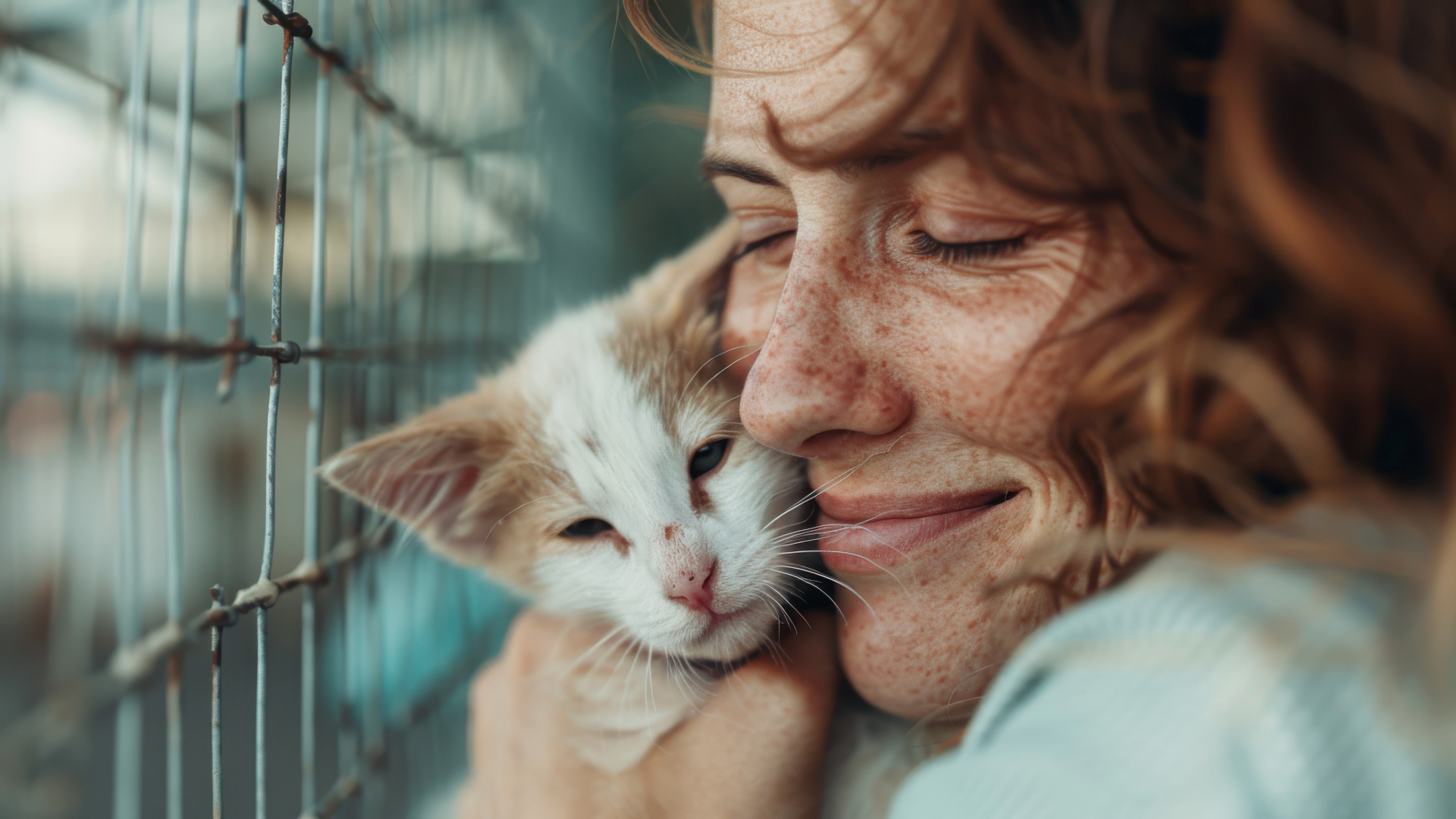
They may take a little longer to settle or trust. Move slowly, keep a consistent routine, and reward small milestones. A soft voice, gentle touch, and patience make all the difference.
7. Why kitten insurance matters
Kittens are full of energy and curiosity – and that’s what makes them so lovable. But their sense of adventure can also lead to unexpected trips to the vet. From eating something they shouldn’t to sudden illnesses, even young cats can rack up surprising medical costs.
Pet insurance helps you focus on your kitten’s recovery instead of the bill, giving you peace of mind from their very first paw-step.
Most Common and Costly Kitten Claims (Nov 2024 – Oct 2025)
Recent Petcover NZ data shows that these are the most frequent and expensive conditions claimed for kittens in their first year:
Kitten claims
|
Average cost (NZD)
|
Highest claim (NZD)
|
| Pyrexia (Fever) |
$1,953 |
$4,362 |
| Feline Infectious Peritonitis (FIP) |
$2,278 |
$3,800 |
| Gastroenteritis |
$400 |
$1,100 |
| Cystitis (Bladder Infection) |
$656 |
$6,340 |
Insight: Many of these illnesses appear suddenly and require immediate veterinary care – proving how quickly costs can add up, even for young, otherwise healthy kittens.
Protection for all stages of life
Petcover NZ offers:
- Up to $15 000 annual cover on selected plans
- Umbrella for Life® protection that continues for your cat’s lifetime
- Direct vet payments to make claims stress-free
- No breed exclusions – as long as there are no pre-existing conditions or symptoms
- Flexible plan options to fit your budget and needs
Your kitten’s first year will be full of discovery – new sounds, playful leaps, and plenty of cuddles. As they grow, they’ll bring joy, laughter, and the occasional bit of chaos to your home.
By preparing early and putting the right care in place, you can make sure every stage of their life is protected – from their first tiny steps to their confident adult years.
Read more about kitten insurance
