
Close up of a senior dog relaxing with head on owners lap in a pet-friendly backyard
Your guide to a pet-friendly backyard
Create a pet-friendly backyard with our guide for keeping your furry friends safe.
Read more14 January 2026
Pet insurance gives your pets the care they need, when they need it, without leaving you worrying about the cost. Choosing the right policy can protect against unexpected vet bills, cover chronic conditions, and provide peace of mind for every stage of your pet’s life.
Jump to:
Not all pet insurance policies are created equal and choosing a policy isn’t as simple as picking the cheapest option or the first one you see. Policies can differ in what they cover, how long they cover it for, and what they exclude.
Two policies might look similar on the surface but offer very different levels of protection when your pet actually needs care. That’s why comparing pet insurance matters. Taking the time to look at the details now can help make sure your pet gets the best possible care later without unpleasant surprises or gaps in cover when it matters most.
When you’re comparing pet insurance in NZ, price is only one part of the picture. Here are the most important things to look at before you decide.
Most pet insurance policies fall into one of these categories:
You’ll also see different benefit styles, which affect how long claims can be made:
Always check the annual benefit limit, along with any sub-limits or caps. A policy might look generous at first, but limits on specific treatments can reduce how much you can actually claim. For example, even with a $15,000 annual limit, a surgery sub-limit of $3,000 could mean you pay the rest yourself.
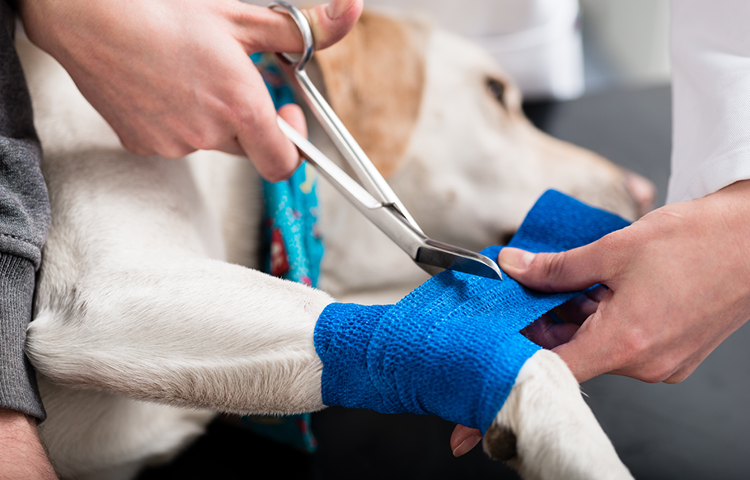
Some pets are more likely to develop certain conditions because of their breed or genetics. Unfortunately, many insurers place exclusions or limits on these issues.
That’s why lifetime cover is so important. Without it, cover for things like hip problems or heart conditions may run out even though your pet still needs treatment.
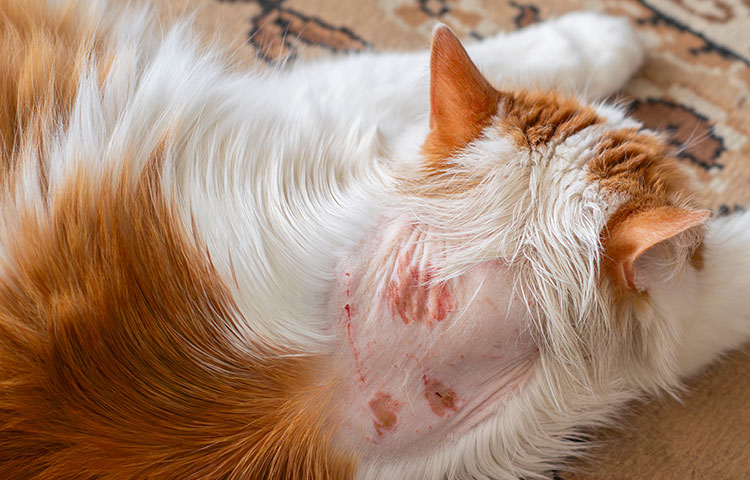
Conditions such as arthritis, diabetes, or ongoing skin issues don’t usually go away. They often need treatment for life.
Policies without lifetime cover may only help for a short period. With lifetime cover, your pet can keep getting the care they need year after year, as long as the policy stays active.
A pre-existing condition is any illness or symptom your pet had before the policy started (or during a waiting period). These usually aren’t covered. These conditions are usually excluded from cover, even if they come back later or need ongoing treatment.
Waiting periods are short timeframes at the start of a policy when certain claims can’t be made yet. For example, accidents may be covered after a few days, while illnesses often have a longer waiting period.
This is why insuring your pet early is a smart move. The earlier you take out cover, the less likely your pet is to have exclusions, giving you broader protection as they get older.
When your pet needs care, you want claiming to be quick and stress-free. Look for policies that let you:
A simple claims process makes it much easier to focus on your pet, not the paperwork.
Cheaper premiums can be tempting, but they often come with trade-offs that affect how much help you actually get when your pet needs care. Common catches include:
Instead of focusing only on the monthly cost, look at the overall value and how much support you’ll actually get when you need it.
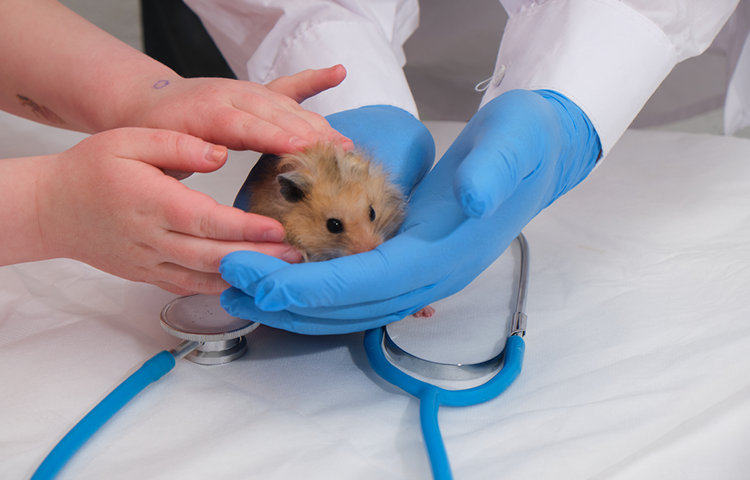
Some policies reduce cover or stop offering certain benefits as pets age.
Choosing a policy with lifetime renewability helps make sure your pet stays covered at the same level, year after year, even as they get older.
Clear policy wording matters. So does being able to talk to a real person when you need help.
Before choosing a policy, check:
Good service makes a big difference when you need support quickly.
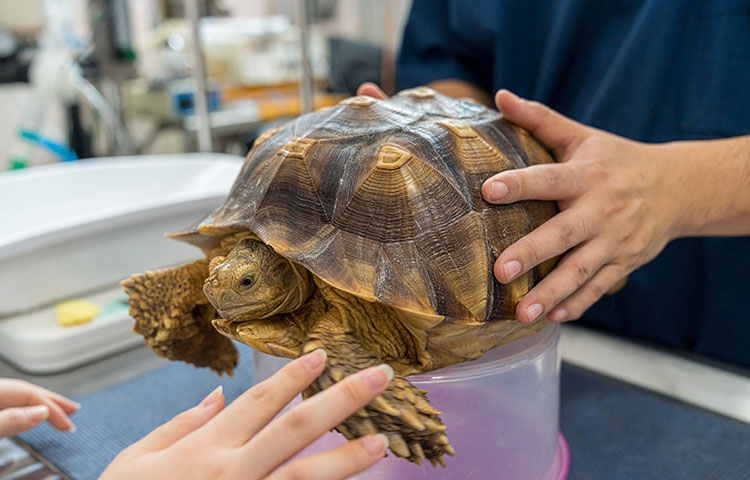
It’s easy to overlook key details when comparing pet insurance, and small mistakes can cost you later. Some common pitfalls include:
Taking a little extra time upfront to read the details and ask questions can save a lot of stress (and money) later on.
Before you sign up or switch policies ask yourself:
If these answers aren’t clear, it may be worth looking elsewhere.
Petcover is designed to give long-term confidence, not short-term fixes. Some key benefits include:
The right pet insurance means peace of mind knowing your pet can get the care they need, whenever they need it, throughout their life.