
Close up of a senior dog relaxing with head on owners lap in a pet-friendly backyard
Your guide to a pet-friendly backyard
Create a pet-friendly backyard with our guide for keeping your furry friends safe.
Read more10 December 2025
Bringing home a new puppy is one of life’s greatest joys – full of love, laughter, and those unforgettable first tail wags. Whether your new best friend comes from a breeder or a rescue, preparing for their arrival can feel exciting and a little overwhelming.
This guide is here to help you start your journey on the right paw. From choosing the right breed to building routines, managing vet visits, and understanding the benefits of puppy insurance, Petcover NZ is here every step of the way. Consider this your go-to companion for raising a confident, happy pup.
Quick links:
Every puppy is unique, but finding the right breed that suits your lifestyle can make all the difference in creating a lifelong bond.
Before you fall in love with those puppy-dog eyes, think about your daily routine, home environment and how active you are (or would like to be). The perfect puppy for one family might be totally different for another.
Here are a few key things to think about before making your choice:
Tip: Talk to your local vet or reputable breeder about typical health issues, behaviour, and care needs. Understanding these before you commit helps set you and your new puppy up for success. When in doubt, spend time with different breeds at local clubs or shelters. Sometimes, the right puppy will choose you.

If you’re buying from a breeder, choosing the right one is just as important as choosing the breed. A good breeder prioritises the health, wellbeing, and temperament of their dogs – not just a quick sale.
Here’s what to look for when finding a responsible breeder in New Zealand:
Tip: Beware of anyone unwilling to let you visit or meet the parents. Reputable breeders care deeply about where their puppies go – so they’ll want to meet you too.
Taking the time to research and choose carefully helps ensure you bring home a healthy, well-adjusted puppy.
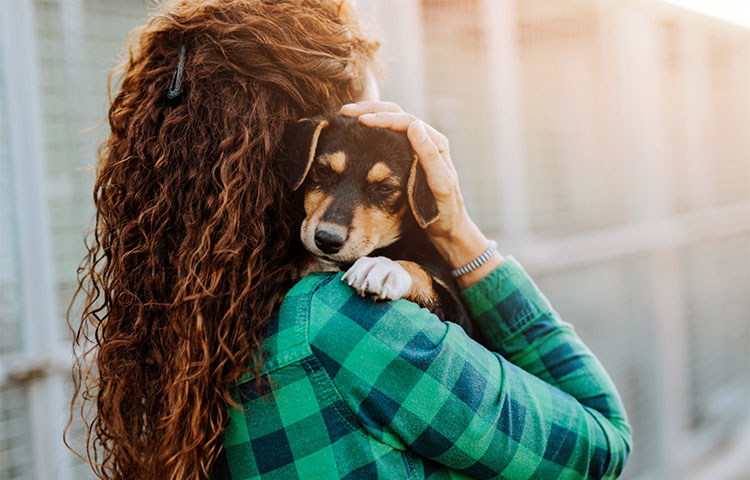
Across New Zealand, thousands of dogs are waiting in shelters and foster homes for their forever families. There are so many good reasons to give a rescue puppy a home, including:
Whether you’ve chosen a breeder or adopted a rescue, a little preparation goes a long way. Puppies are curious, playful, and learning about their new world, so setting up your home before they arrive helps them feel safe, settled, and loved from day one.
Use this simple checklist to make sure everything’s ready before you bring your puppy home:
Tip: Walk through your home from a puppy’s perspective. Hide electrical cords, pick up small objects, and block off stairs or balconies. Puppies explore with their mouths, and they don’t yet know what’s safe.

The big day has finally arrived! You’ve prepared your home, chosen their bed, and stocked up on toys and treats. Now it’s time to bring your puppy home a moment filled with excitement, a few nerves, and plenty of cuddles ahead.
Your puppy’s first car ride and new surroundings can be overwhelming. Keep things calm and gentle:
Your puppy might cry or whimper the first night, it’s completely normal. They’re adjusting to a new environment without their mum or littermates.
These early hours are about comfort and safety. Once your puppy feels secure, you can begin shaping the routine that will help them thrive.
The first few days with your new puppy are full of discovery – for both of you! These days are all about bonding and helping your puppy feel secure.
Tip: Puppies often sleep up to 18 hours a day. Don’t worry if they play hard, nap often, and repeat – it’s all part of healthy growth.
Crate training is a great way to provide security and structure. The crate becomes your puppy’s – a safe place to rest, sleep, or take a break.
Feed your puppy in a quiet, consistent spot and remove the bowl when they’re done. Consistent feeding times help with toilet training and set a rhythm for their day.
Start as you mean to go on – with routine, calm encouragement, and plenty of positive reinforcement. These early days are about bonding, building trust, and showing your puppy that they’re finally home.
Once your puppy settles in, a simple, steady routine helps them feel safe and learn faster.
Tip: A steady bedtime routine encourages better sleep – and fewer 3 a.m. wake-ups!
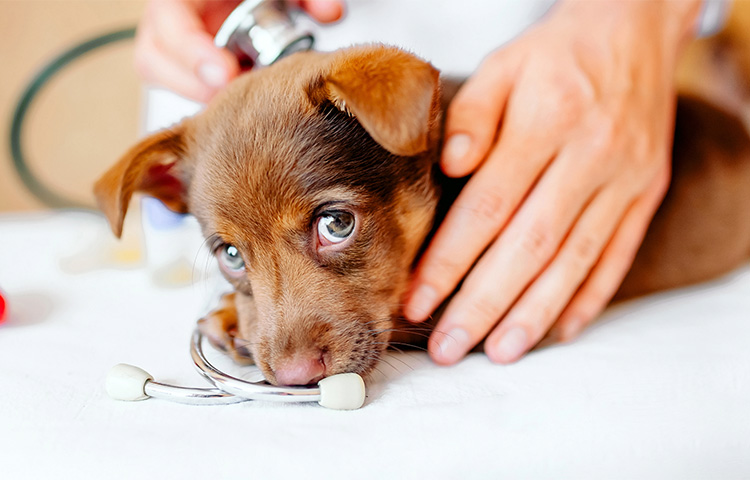
Keeping your puppy healthy starts with regular vet care, vaccinations, and parasite prevention. Book their first vet visit within the first week of bringing them home. Your vet will:
Your vet will also talk about parasite control, desexing, and tips for a healthy routine. Many clinics run puppy preschool classes to help with socialisation, confidence, and early training.
Local tip: Many vet clinics offer “puppy preschool” classes for puppies aged around 8-16 weeks, helping with socialisation, confidence building, early training and familiarising your puppy with the clinic environment.
| Age | Recommended care |
| 6–8 weeks | First vaccination (parvovirus, distemper, hepatitis) + deworming |
| 10–12 weeks | Booster vaccination + flea/tick prevention |
| 14–16 weeks | Final puppy vaccination + microchip check |
| 6 months | Desexing discussion + general health exam |
| Annually | Booster shots + wellness visit |
Keep all vaccination records, microchip details, and insurance documents together. You’ll need them for daycare, boarding, travel, and future vet visits.
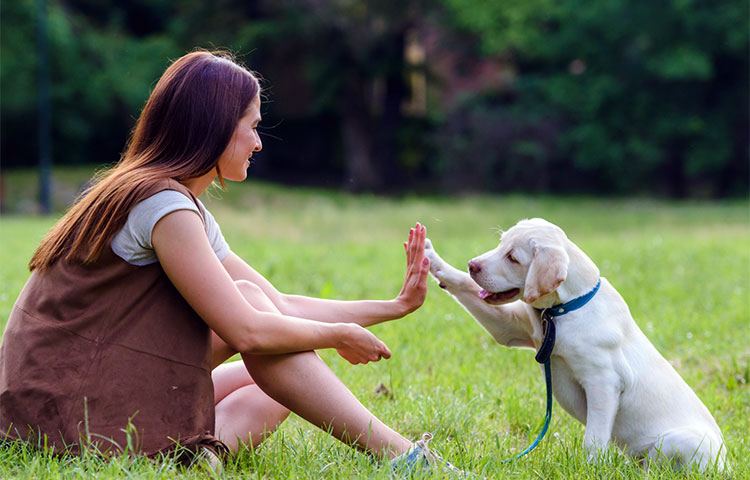
Training and socialisation are key to raising a confident, well-behaved puppy. Starting early with patience and positivity helps your pup adapt to new experiences.
Puppies learn best in short, fun sessions. Use praise and small treats, and start with simple cues like “sit,” “come,” and “stay.” Keep sessions under five minutes and end on a success. Short, frequent lessons work best for little attention spans
Socialisation helps your puppy interact confidently with people, dogs, sounds, and new environments.
If your puppy is from a rescue, socialisation may take more time.
With patience and positive reinforcement, even shy puppies grow into happy, confident dogs who trust you and the world around them.
Tip: Many NZ vet clinics offer puppy-preschool classes for early training and safe socialisation around other dogs. These are great for building confidence in a controlled environment.

Puppies are curious explorers, and sometimes that curiosity leads to the vet. From swallowing something they shouldn’t to minor tumbles during play, even small accidents can be costly.
Pet insurance lets you focus on your puppy’s recovery, not the bill. It gives peace of mind, covering your pup through growth spurts, zoomies, and everyday adventures
In the past 12 months, Petcover NZ has seen that even young pups can rack up surprising vet costs: (Nov 2024 – Nov 2025)
| Common puppy insurance claims | Average vet fee cost (NZD) | Highest claim paid out (NZD) |
| Lameness | $932 | $8,350 |
| Hip dysplasia | $1,496 | $6,246 |
| Seizures | $652 | $4,600 |
| Ear infections | $558 | $1,753 |
| Skin allergies | $336 | $1,409 |
| Diarrhoea | $478 | $1,194 |
Lameness remains the top driver of claims in both cost and frequency, while hip dysplasia is the most expensive condition on average.
These aren’t rare cases – they’re everyday examples of how active, healthy puppies can suddenly need extra care.
Petcover NZ offers:
Your puppy’s first year will be full of big milestones – learning, growing, exploring, and discovering the world around them. Through all the adventures (and the occasional muddy paw prints), Petcover NZ is here to help you protect what matters most.
Starting insurance early means your pup is covered before any health issues appear – giving you the confidence to enjoy every moment, knowing their wellbeing is safeguarded for life.
Find out more about puppy insurance